Tour dates
From
To
Condition
Group size
Pricing
5975 euros
-> 750 euro discount if you combine both Galápagos trips
-> Optional: top cabin (per couple) for 1500 euros extra per trip
Schedule
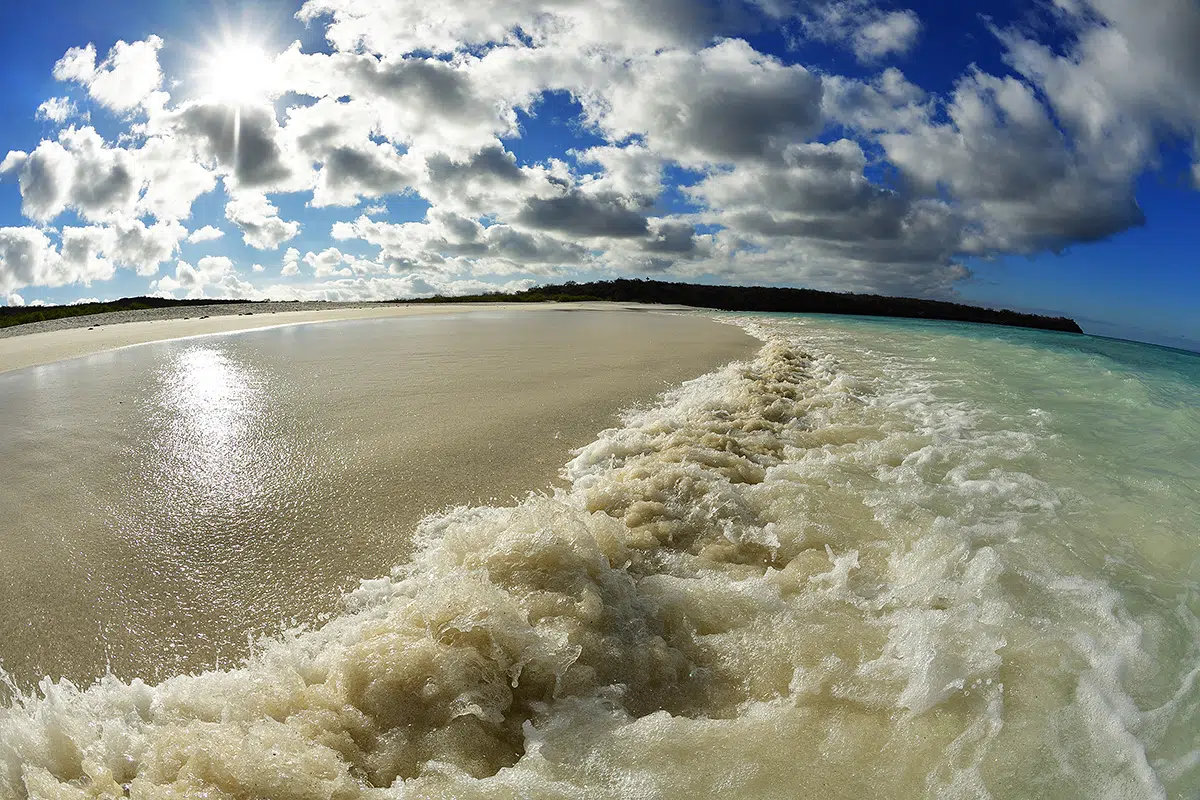
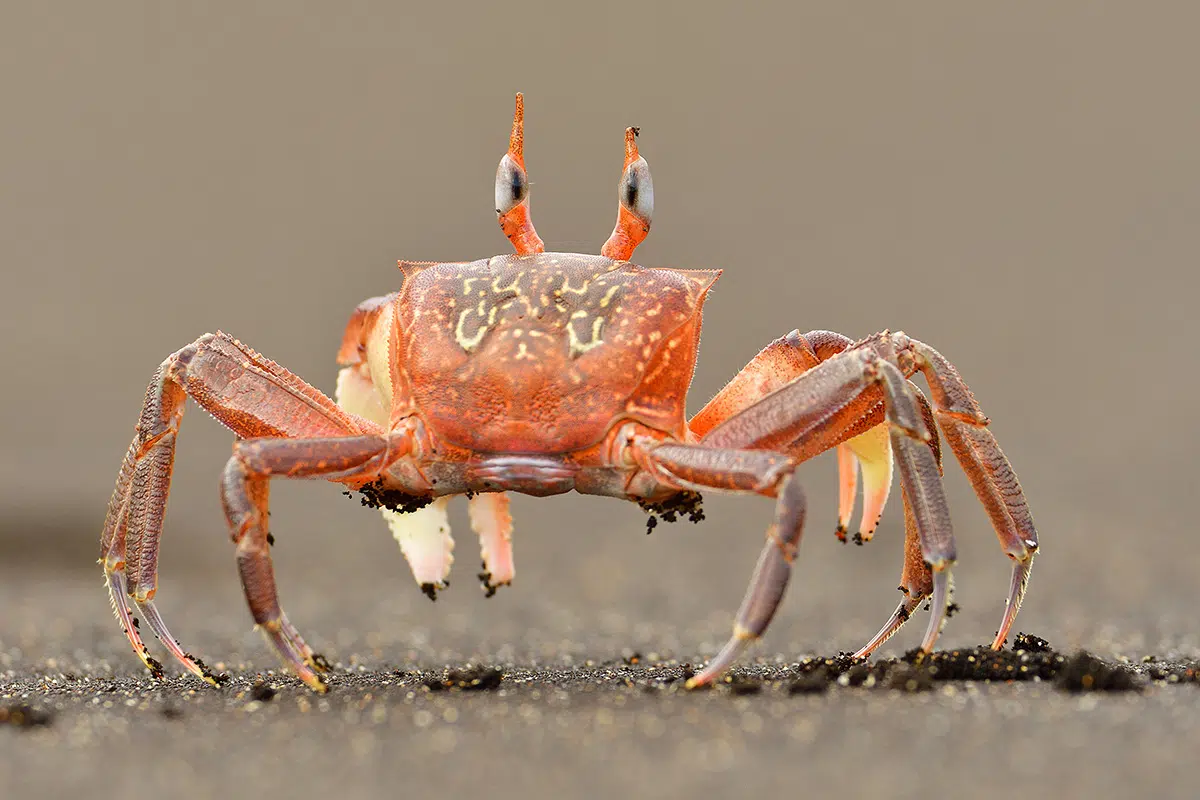
Upon arrival at Baltra, you’ll meet your naturalist guide and transfer to the Samba. After lunch, we cruise to Mosquera Islet, a pristine sandbank rising from the sea between Baltra and North Seymour. Here, sea lions lounge on sugar-soft sand while shorebirds and Sally Lightfoot crabs animate the shoreline. Swim, snorkel, or photograph wildlife in golden evening light—an unforgettable introduction to the Galápagos.
You wake to the sounds of one of the largest seabird colonies on Earth. At Darwin Bay, photograph red-footed boobies courting, frigatebirds displaying scarlet throat pouches, and finches foraging among mangroves and saltbush. In the afternoon, climb Prince Philip’s Steps for dramatic cliff-top views, Nazca boobies, tropicbirds, and storm petrels swirling over lava fields. As daylight fades, watch the rare spectacle of short-eared owls hunting in full daylight.
While most vessels head south, the Samba sails northwest to remote Marchena, accessible to very few visitors. Punta Mejía offers some of the archipelago’s finest snorkeling, where calm blue waters contrast sharply with jet-black lava and reveal rays, reef sharks, turtles, and vibrant fish life. At Playa Negra, explore newly formed lava grottoes where marine iguanas feed before setting off into deep ocean waters. The afternoon navigation crosses nutrient-rich currents, offering real chances to encounter dolphins, whales, or feeding frenzies.
At Punta Albemarle, explore one of the most remote sites in the Galápagos, where recent lava flows host flightless cormorants and the archipelago’s largest marine iguanas. These shy birds nest undisturbed here, offering rare photographic opportunities. Later, cruise along the dramatic cliffs of Punta Vicente Roca, a geological showcase of lava dikes and tuff cones. Snorkel beneath towering rock walls where turtles feed and penguins dart through cold, nutrient-rich waters.
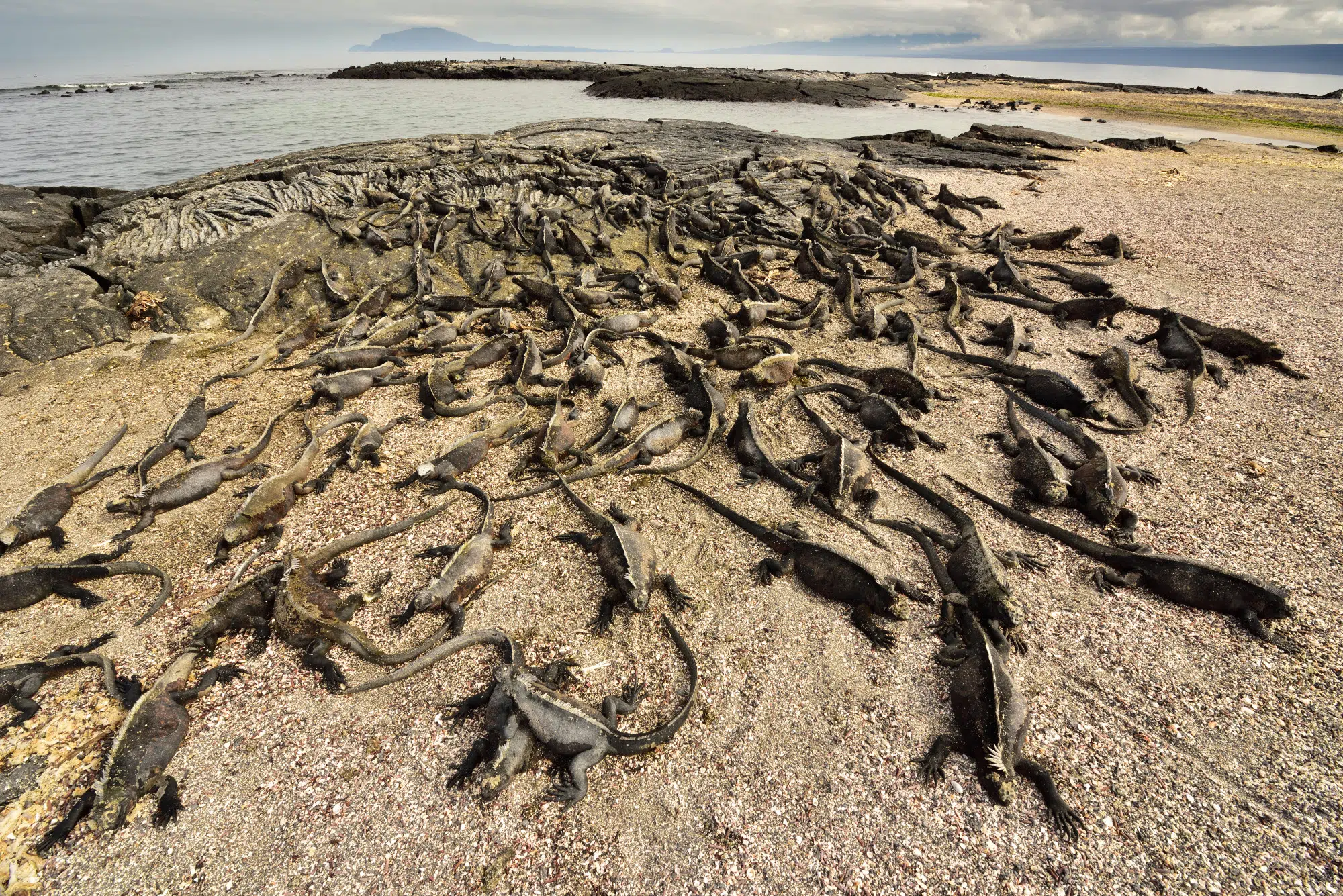
Fernandina, the youngest island in the Galápagos, feels like the beginning of life itself. At Punta Espinoza, photograph dense marine iguana colonies, flightless cormorants, penguins, sea lions, and Galápagos hawks against stark lava backdrops. Snorkel alongside turtles, iguanas, and fish before continuing to Urbina Bay on Isabela. Here, uplifted seabed reveals colorful land iguanas, giant tortoises, and a landscape that feels lifted from another geological era.
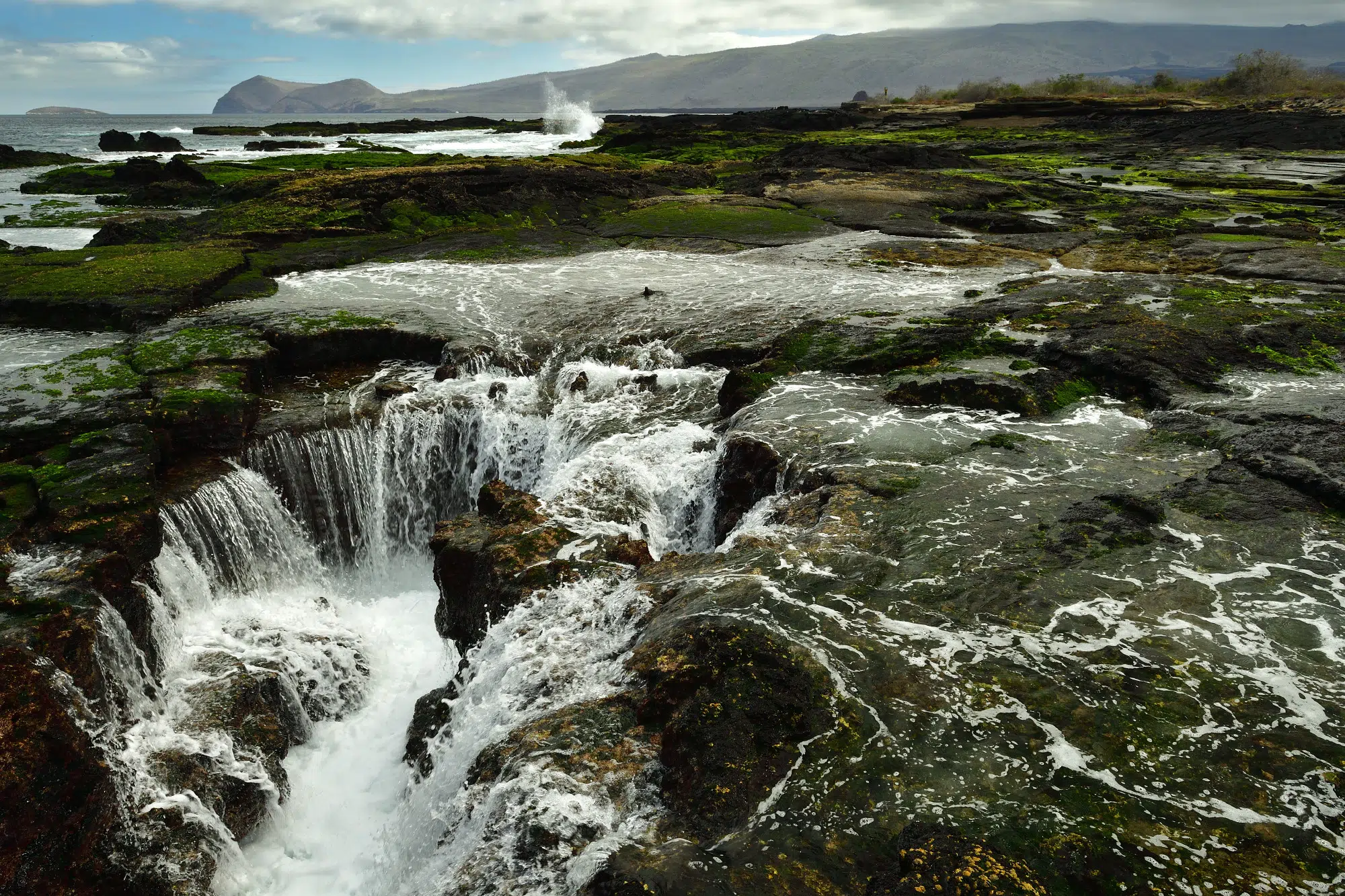
Elizabeth Bay is a serene mangrove labyrinth where penguins, spotted eagle rays, turtles, and juvenile fish thrive. We explore silently by dinghy, paddling through one of the Galápagos’ most tranquil ecosystems. In the afternoon, land at Punta Moreno, a vast lava field punctuated by hidden brackish lagoons. These oases attract flamingos, stilts, and other birds, offering striking contrasts between life and volcanic stone.
A morning visit to Floreana’s highlands reveals lush vegetation, panoramic viewpoints, and stories of pirates, settlers, and legendary castaways. At Asilo de la Paz, uncover the island’s remarkable human history while photographing misty landscapes and endemic flora. In the afternoon, snorkel at Devil’s Crown—one of the best sites in the Galápagos—where sharks, rays, turtles, and dense fish schools surround the submerged crater. Later, we sail back toward Santa Cruz.
An early visit to Santa Cruz’s lush highlands reveals Scalesia forests and the dramatic sinkholes known as Los Gemelos. This area is rich with Darwin’s finches, flycatchers, mockingbirds, and native plants. After breakfast, we transfer to Baltra Airport for onward travel, concluding an unforgettable journey through the wild northwest Galápagos.
Return flight Santa Cruz – Quito – Brussel/Amsterdam
Partnership
REMARKABLE HISTORY
From a geological point of view, the Galápagos Islands are very young. They ‘only’ emerged a few million years ago and were discovered by chance in 1535. Ecuador annexed the archipelago a hundred years later. But it was Charles Darwin who really discovered the islands in 1835. This is when he set foot ashore and explored the islands for weeks. His extensive research of the fauna and flora formed the basis of his evolutionary theory. Because he noted the presence of several species of Darwin’s finches, he linked the isolation of the archipelago to the evolution of the species who lived there.
UNIQUE CLIMATE
The Galapagos Islands are characterised by extremes. The cold Humboldt Current brings in cold and eutrophic water, supporting an enormous ecosystem. But this changes every few years, because of the El Niño-phenomenon. Warm water comes in and the sea currents change. This causes a massive decline in the population of iguanas, seals, penguins and other species, and an absence of sea birds. Extreme climate changes that have, however, proven to be optimal for the emergence of new species. Evolutionary theory at work!
A PHOTOGRAPHER’S DREAM
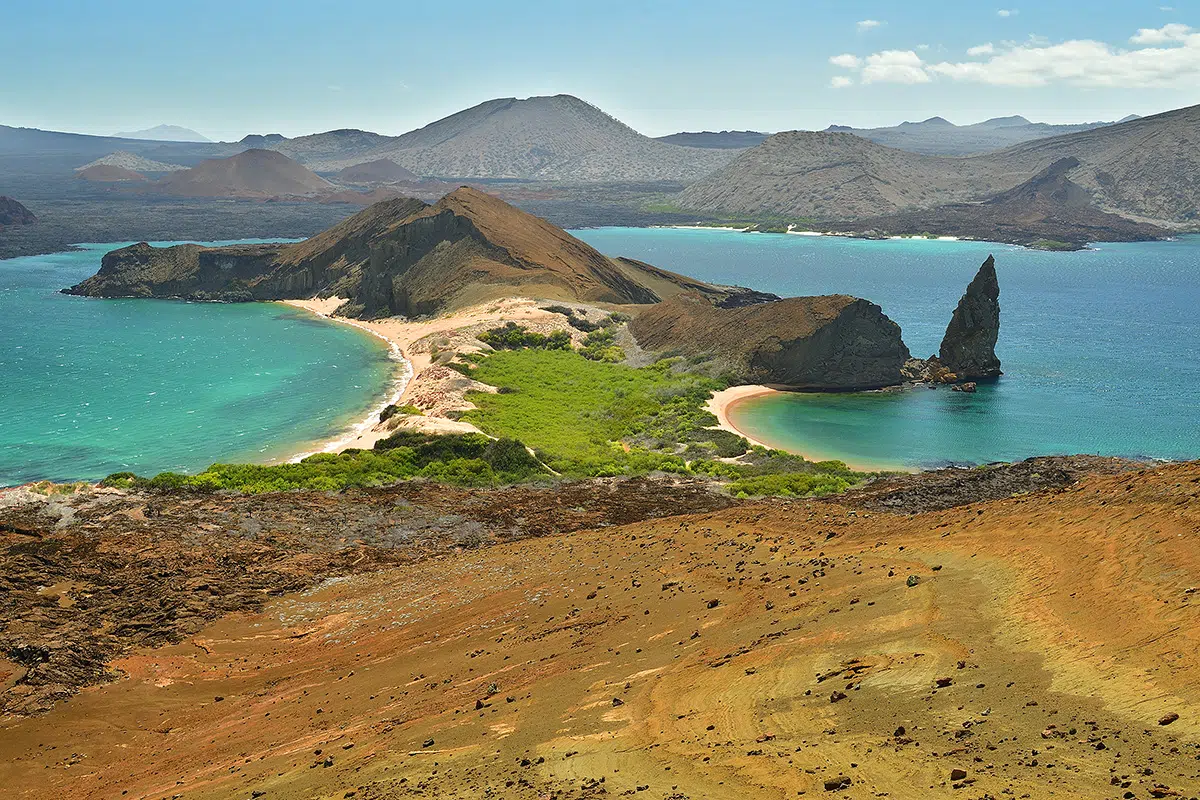
The Galapagos Islands never disappoint photographers. Impressive landscapes and spectacular wildlife are united on the archipelago. It has been a protected Ecuadorian National Park since 1968. This measure has proven to be vital for the conservation of numerous unique species.
The broad deck of our ship and the limited number of guests ensure sufficient room for manoeuver. We offer the very best conditions to explore all the beauty the islands have to offer.
EXTRAORDINARY WILDLIFE
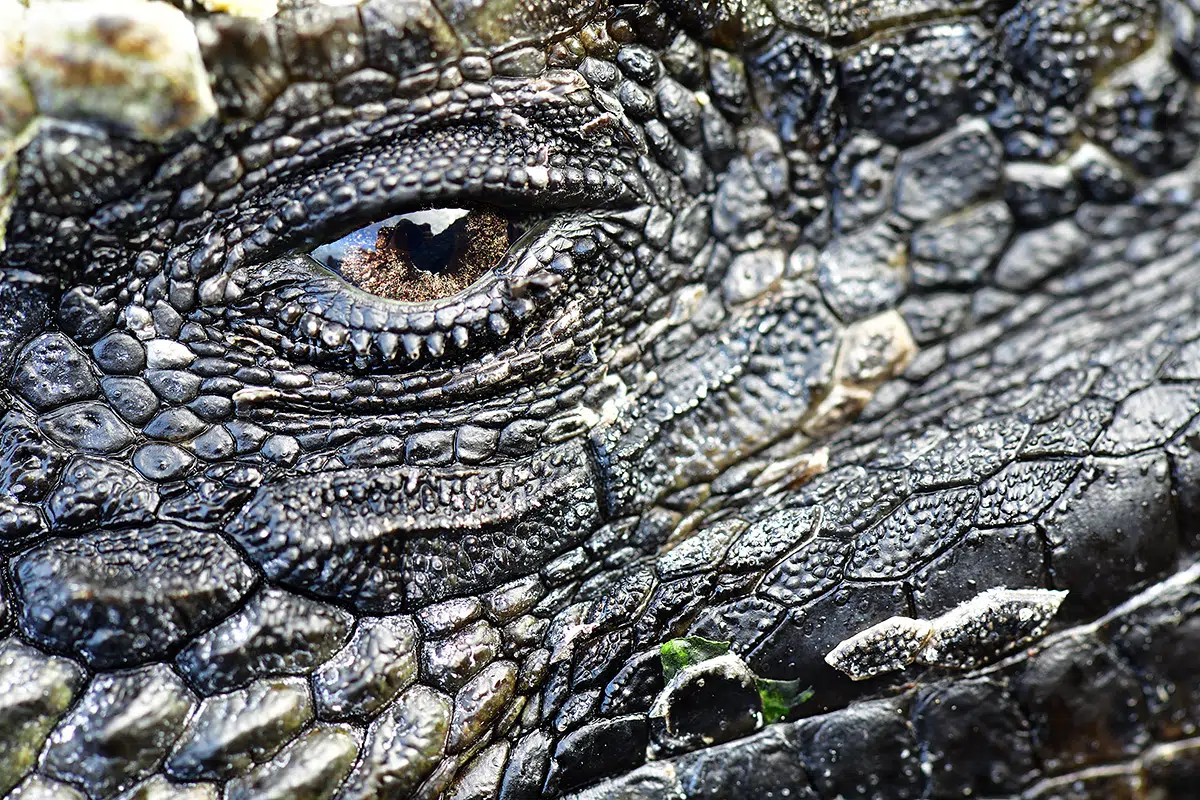
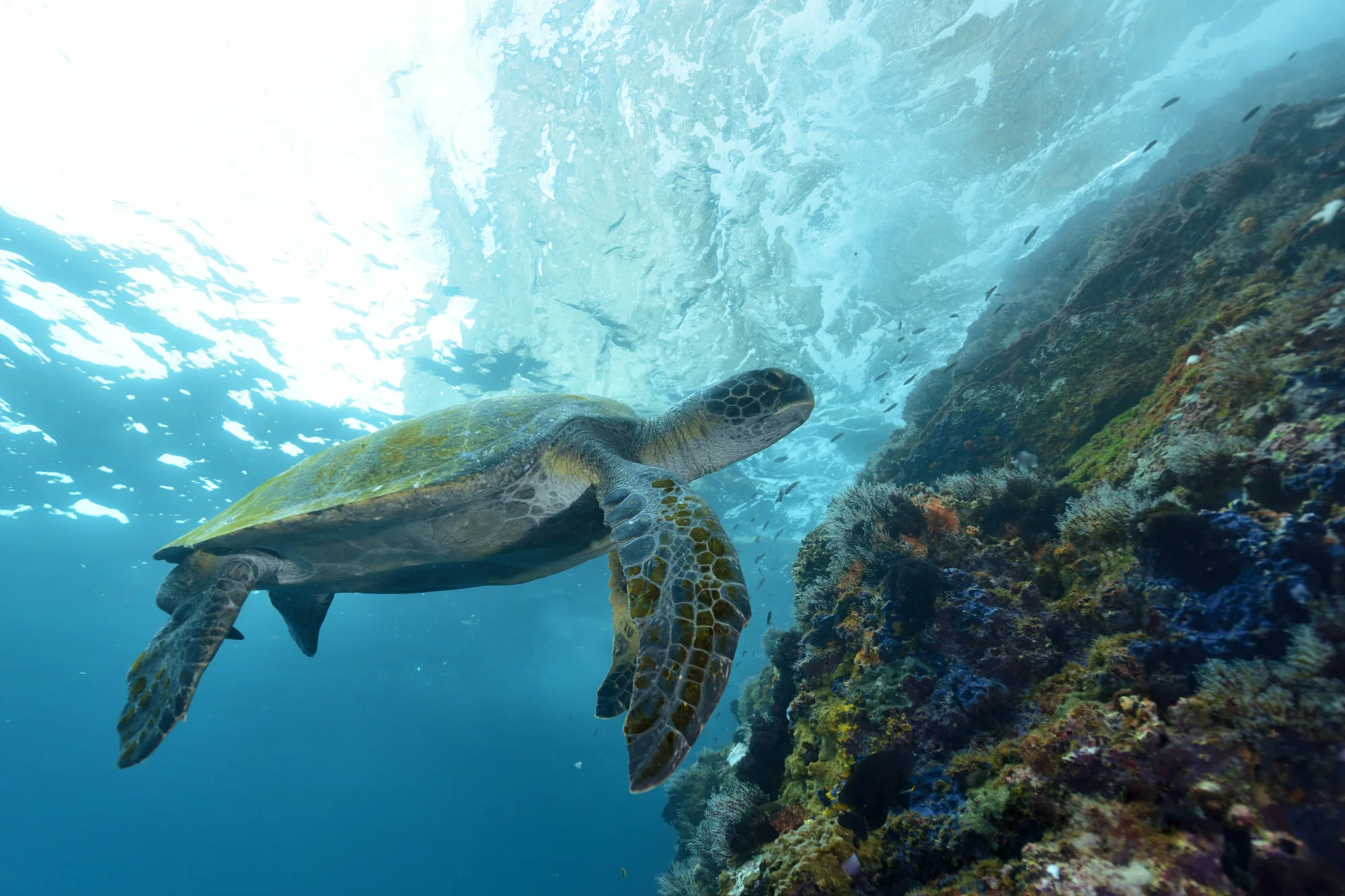
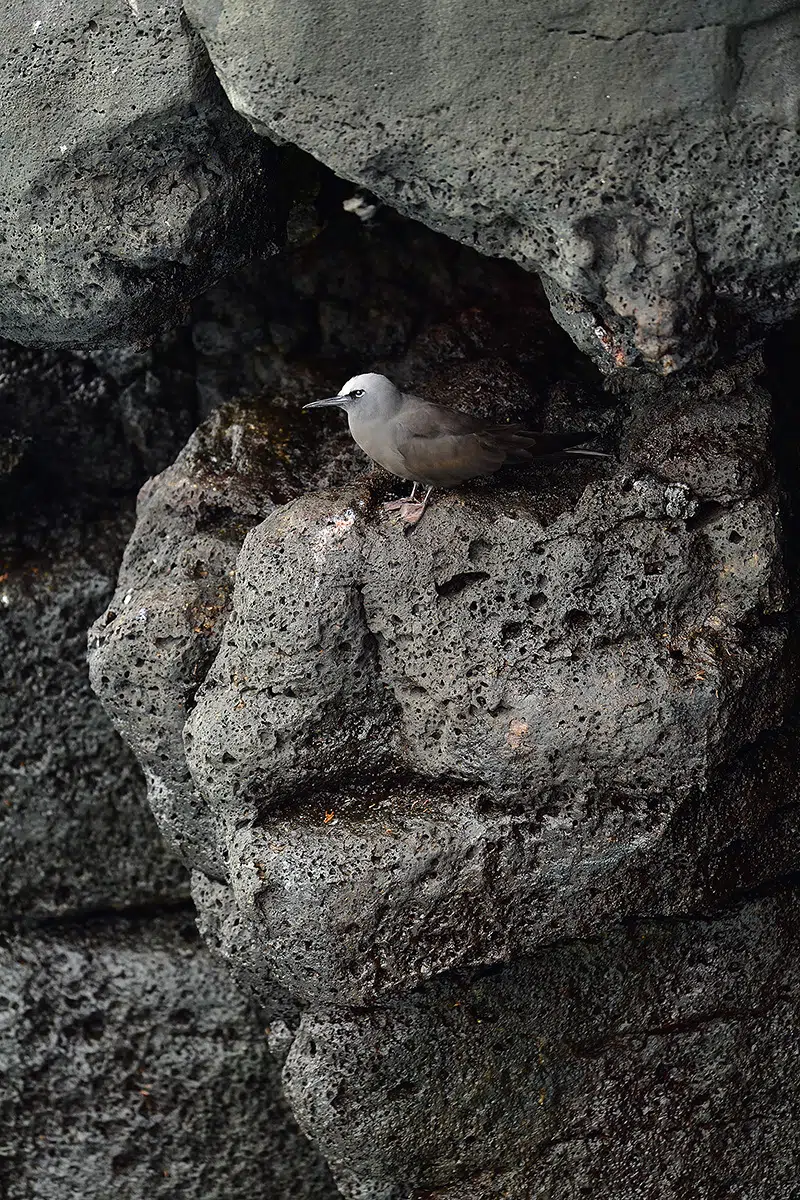
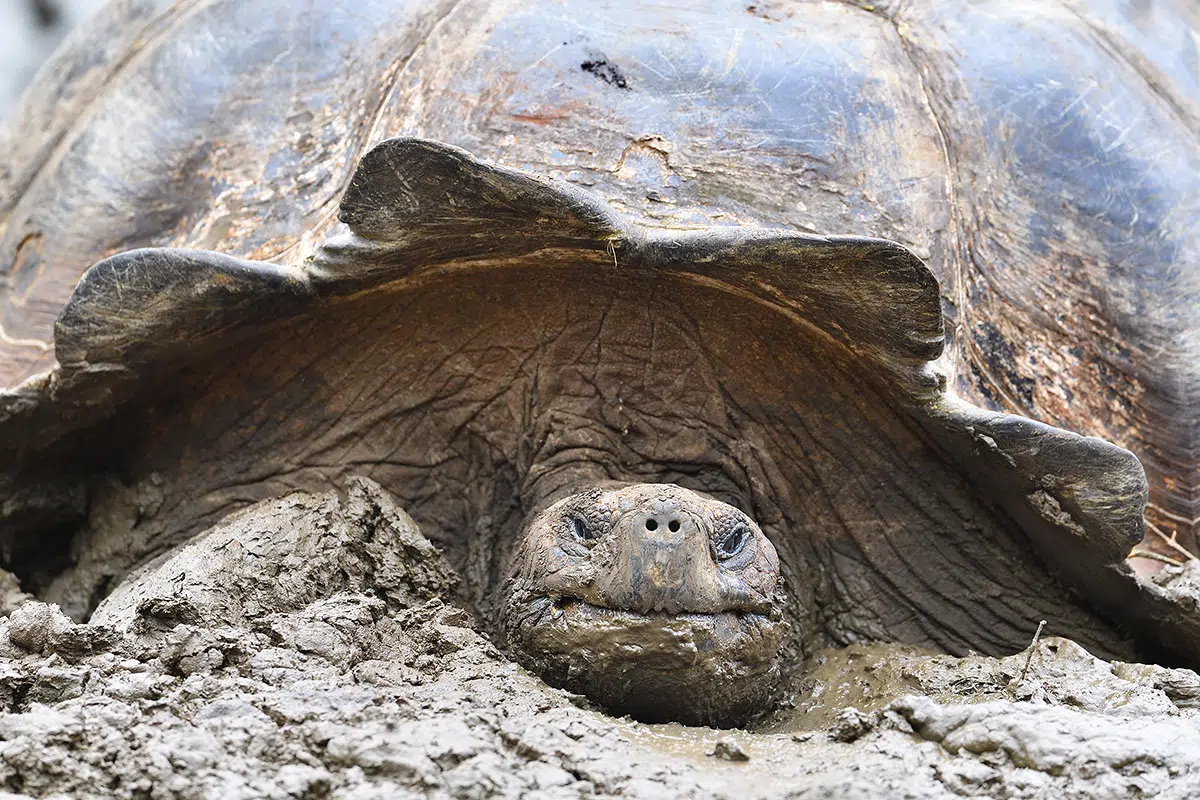
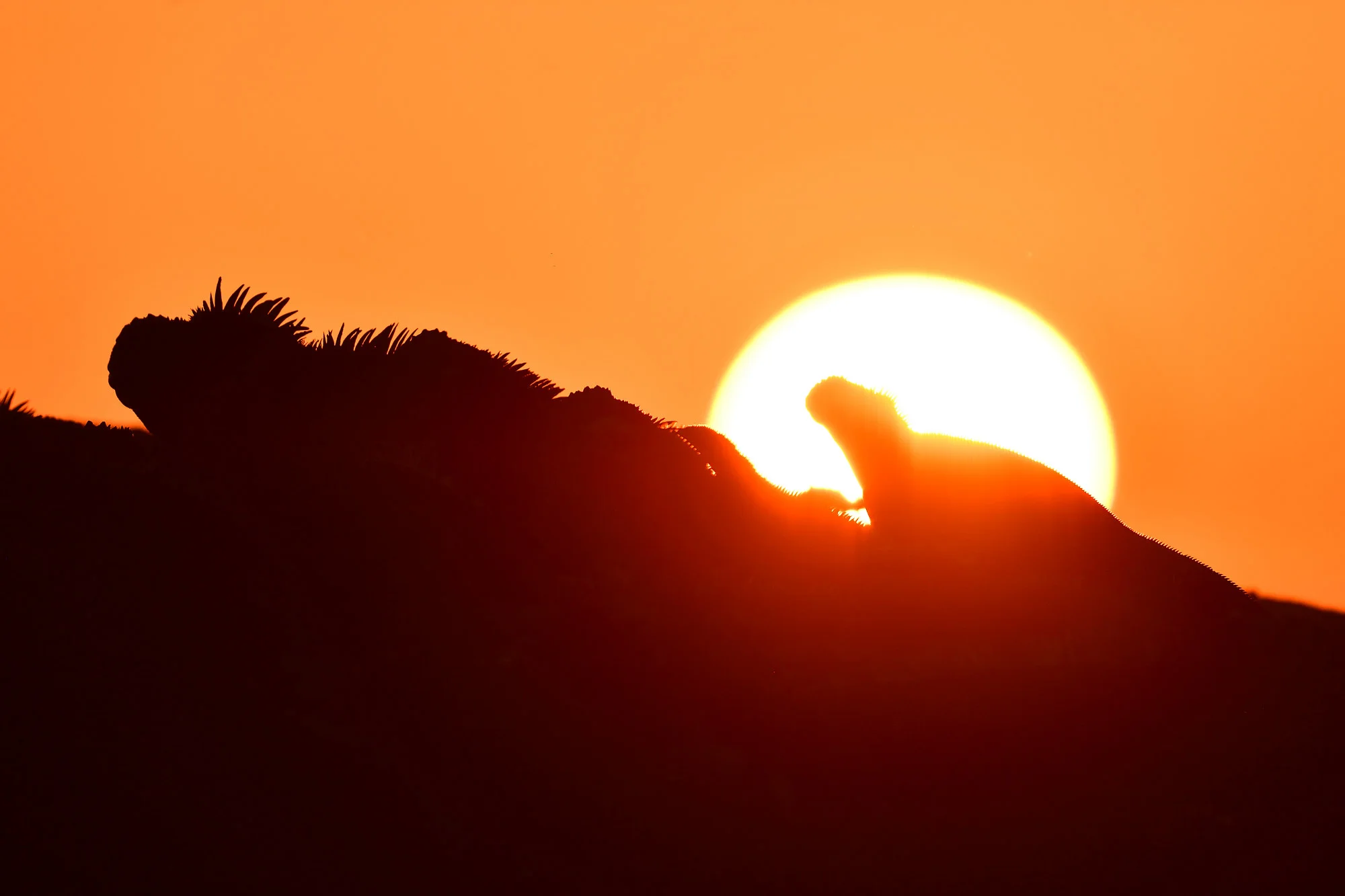
The Galapagos islands harbour many endemic species. There’s the famous sea iguana, whose black skin heats its body temperature every time it emerges from the cold waters. The giant tortoise is the largest species of tortoise on earth. And sea life along the coasts is absolutely abundant.
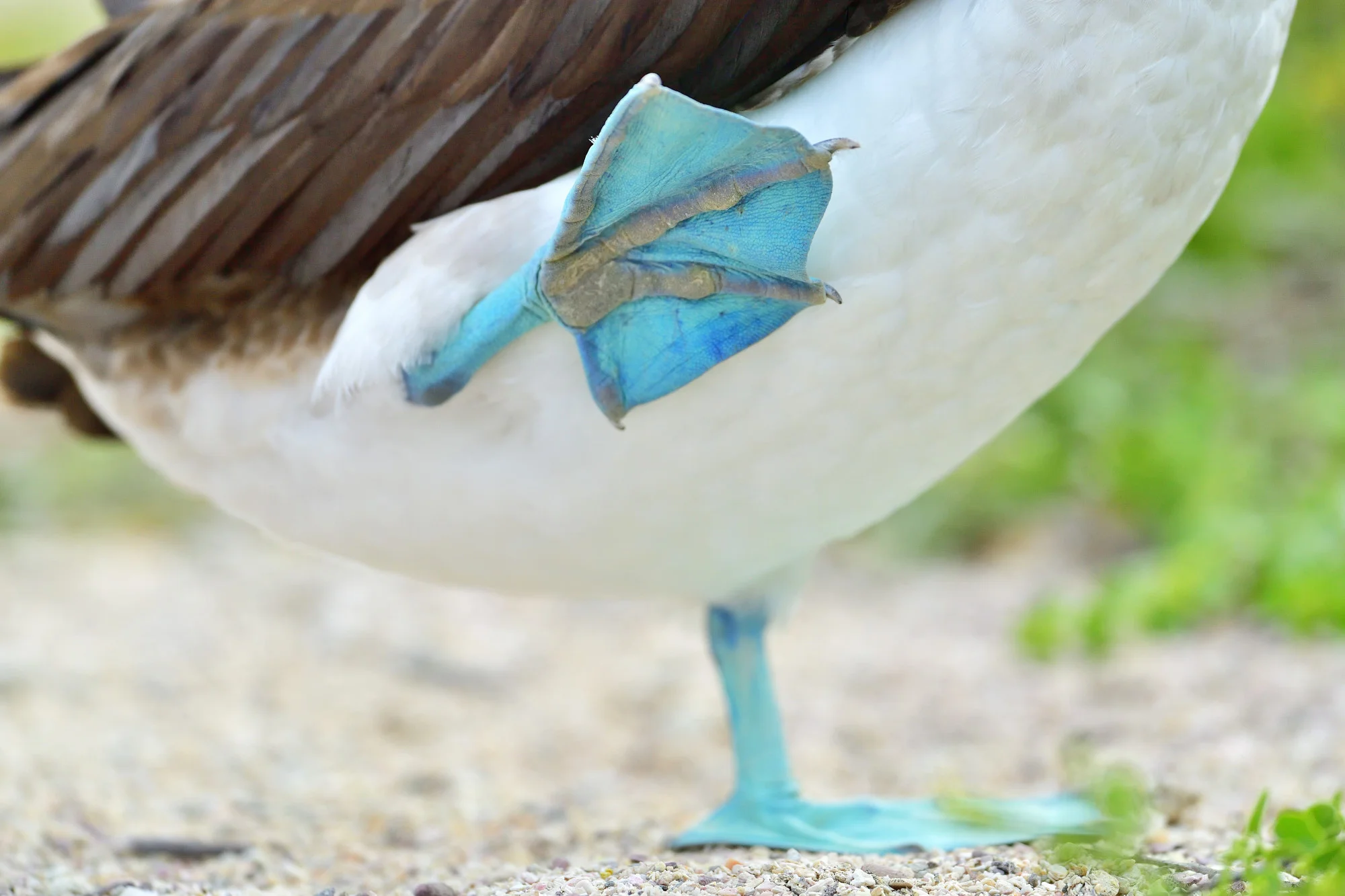
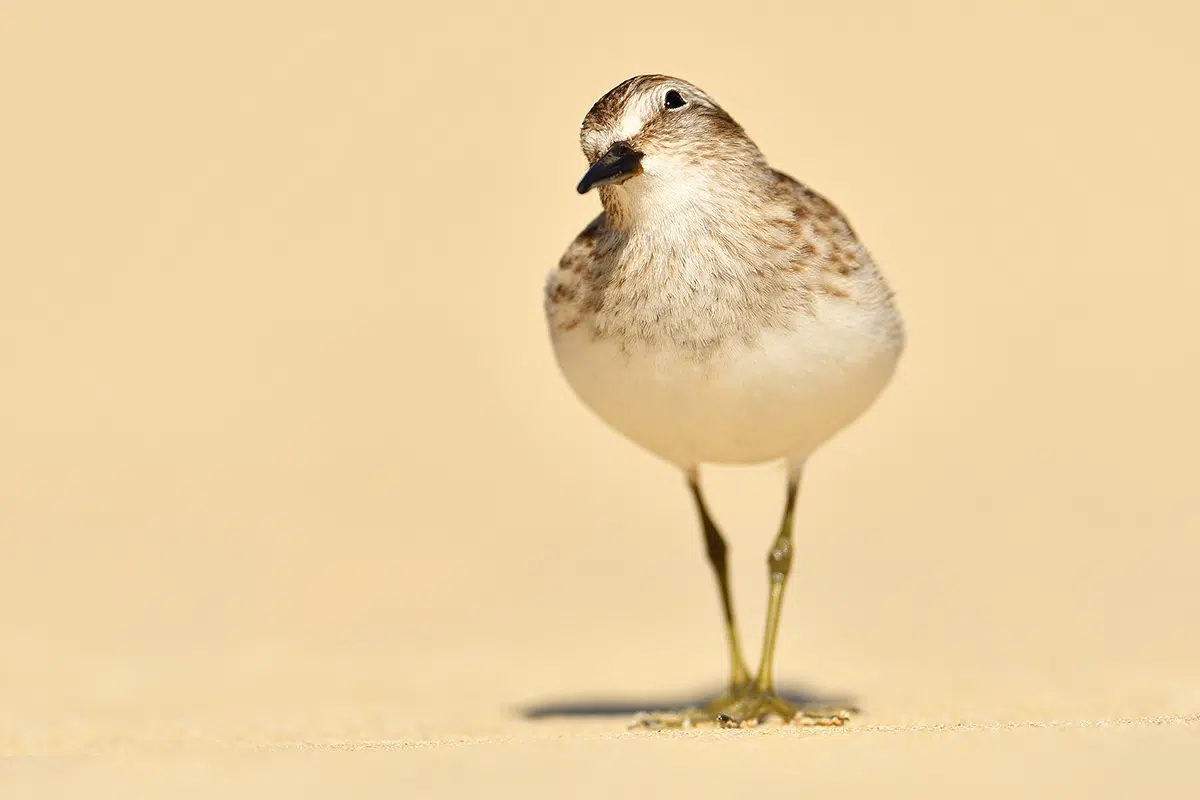
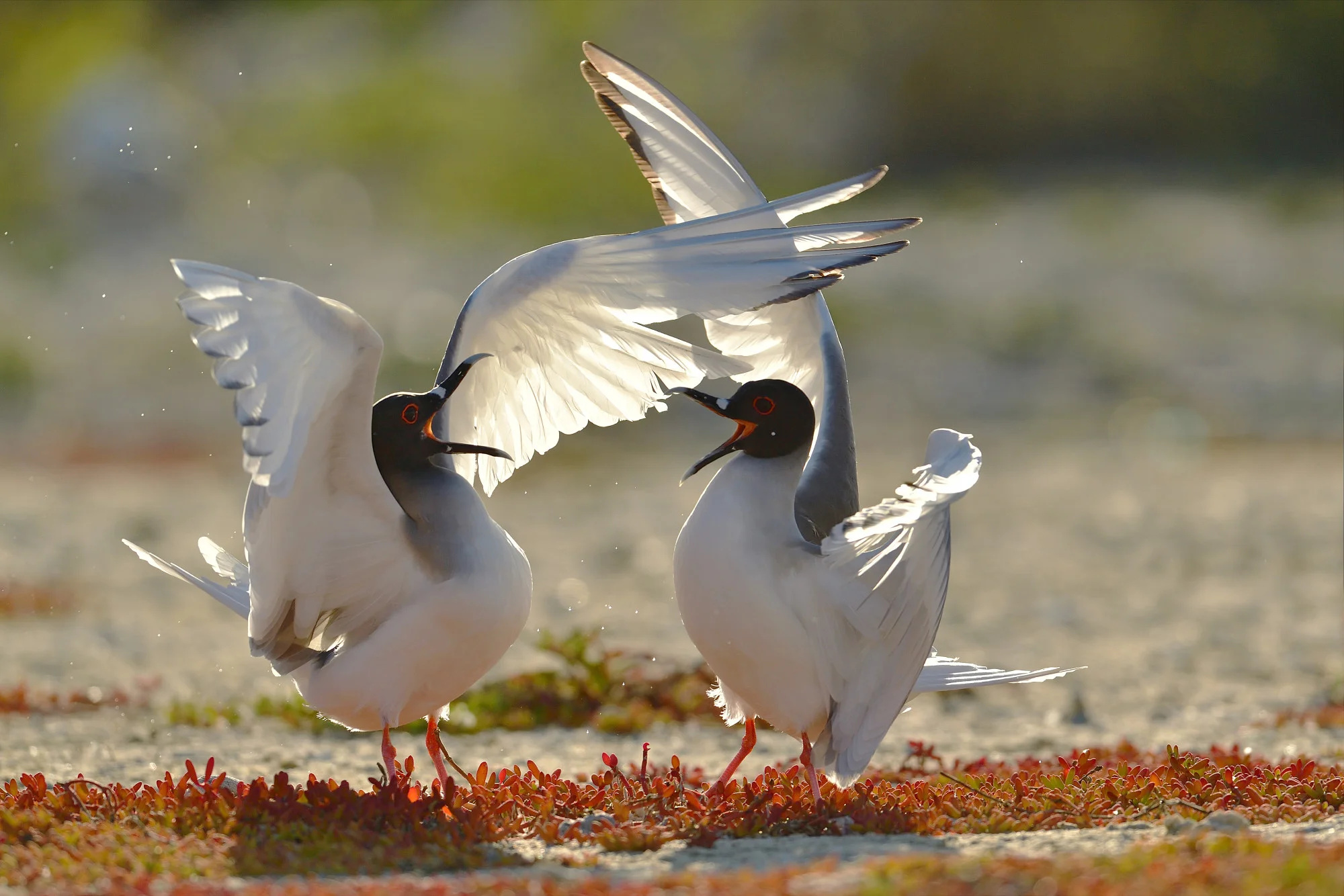
The iconic blue-footed booby, a Pacific species of gannet, is one of the hallmarks of the Galápagos. Most of the islands house several species of the famous Darwin finches. They are not the only species that have diversified on the island during evolution. For example, you’ll find 4 different species of mockingbirds. And how about that ivory black lava gull? In short, nature lovers and birdwatchers alike can rest assured when embarking on this adventure.
AN EXPERIENCED TEAM
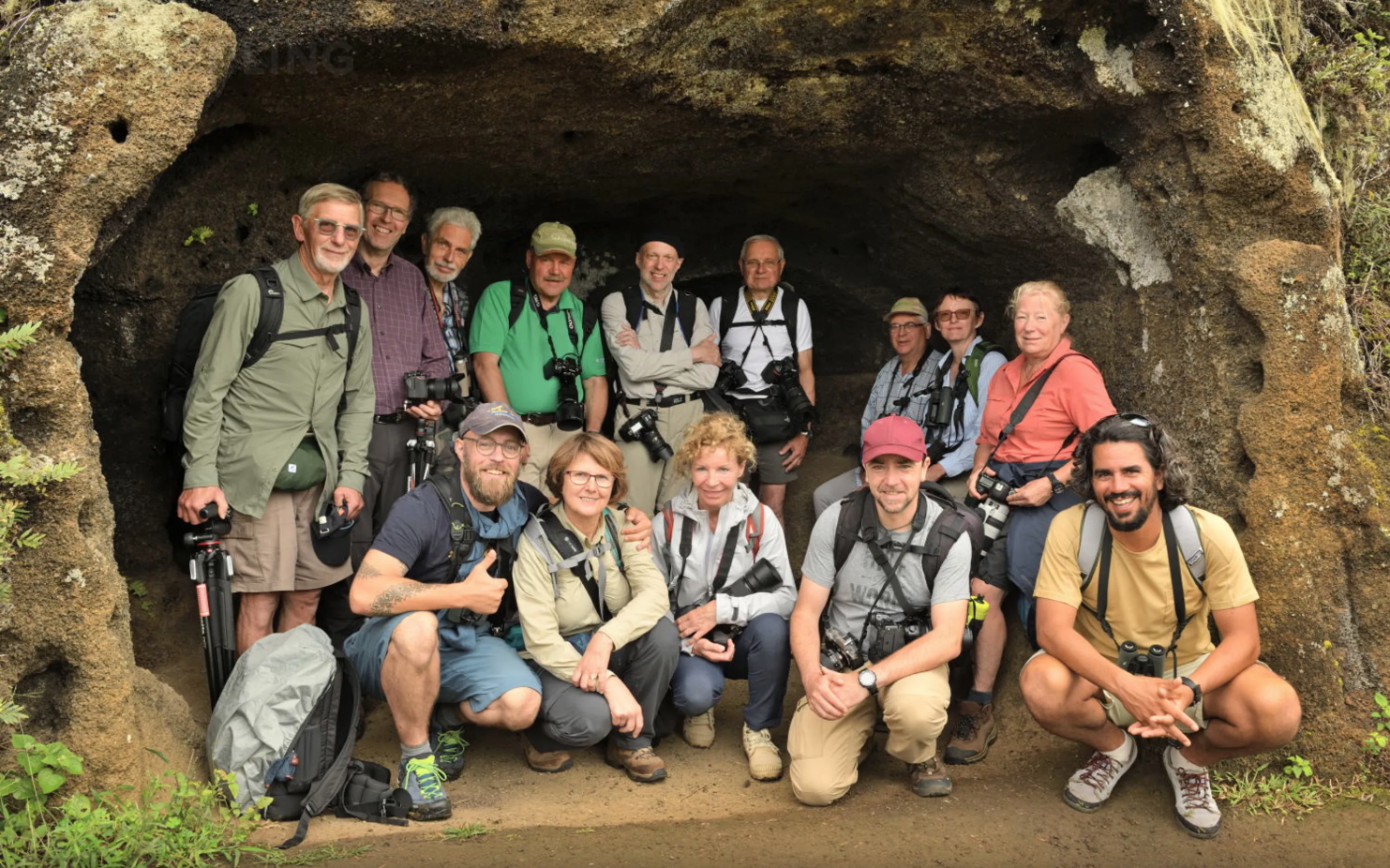
I will guide this trip, together with nature photographer Jeffrey Van Daele and a very experienced local crew. Expedition leader Juan Manuel Salcedo grew up in the Galápagos Islands. He developed a passion for wildlife while sailing on his father’s boat. Studying the archipelago for many years, he attained a degree in ecology, specializing in biology and geology. He is always up-to-date with the regulations for protection of the fragile ecosystem. His crew guarantees a correct attitude in this National Park, undoubtedly the best-conserved archipelago of the tropics.
LOOKING FOR AN EVEN GREATER ADVENTURE?
Exploring the islands of Fernandina and Isabela means you mainly discover the west side of the archipelago. Curious about what the other islands have in store? Here’s your chance to find out! STARLING organises two consecutive trips to the Galapagos islands. If you register for both, you get a 5% discount. The ultimate adventure!
Discover our trip to San Cristobal and Española.
NATURE AND PHOTOGRAPHY
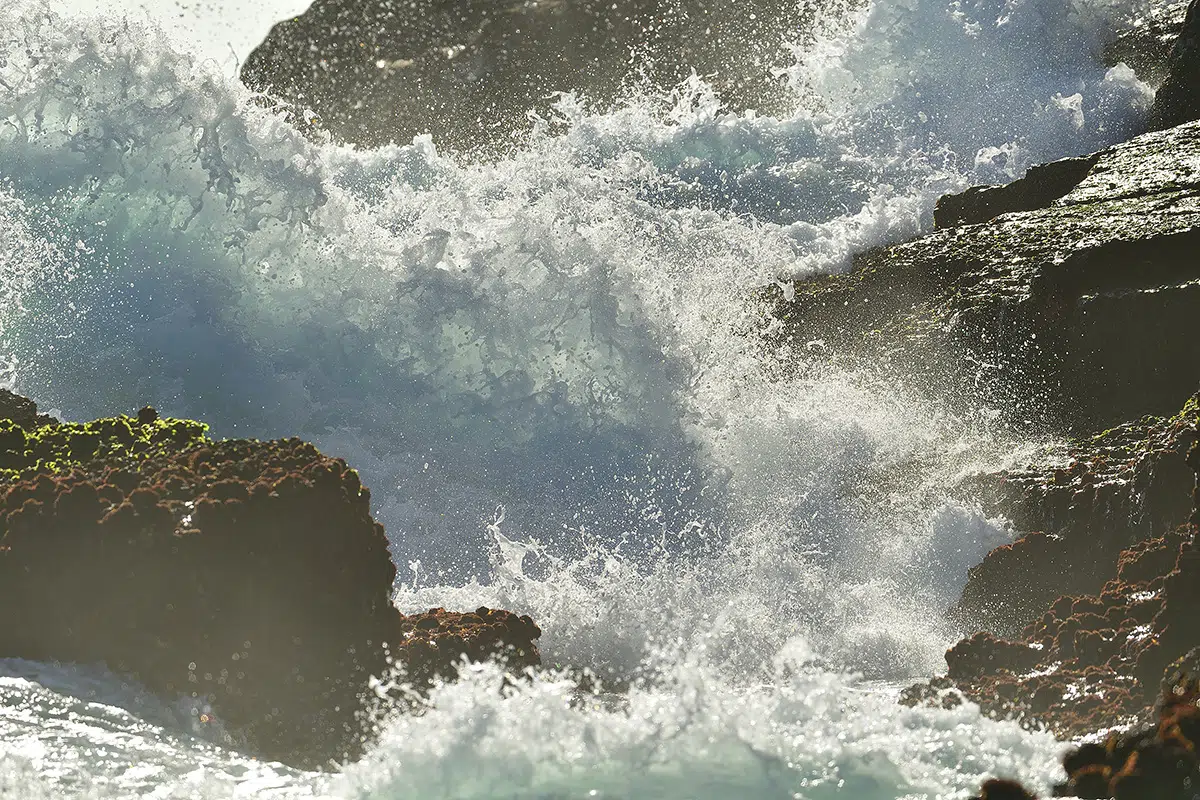
Photographers, nature lovers and bird watchers will all indulge themselves during this trip. We discover many endemic birds, explore the waters around the islands and photograph rare sea creatures. Each island is unique due to the volcanic landscapes. Our well-adjusted ship allows us to sail close to every island, assuring care-free photography. In short: this is the ultimate journey for anyone who wants to zoom in on the Galapagos under professional guidance.
ACCOMMODATION
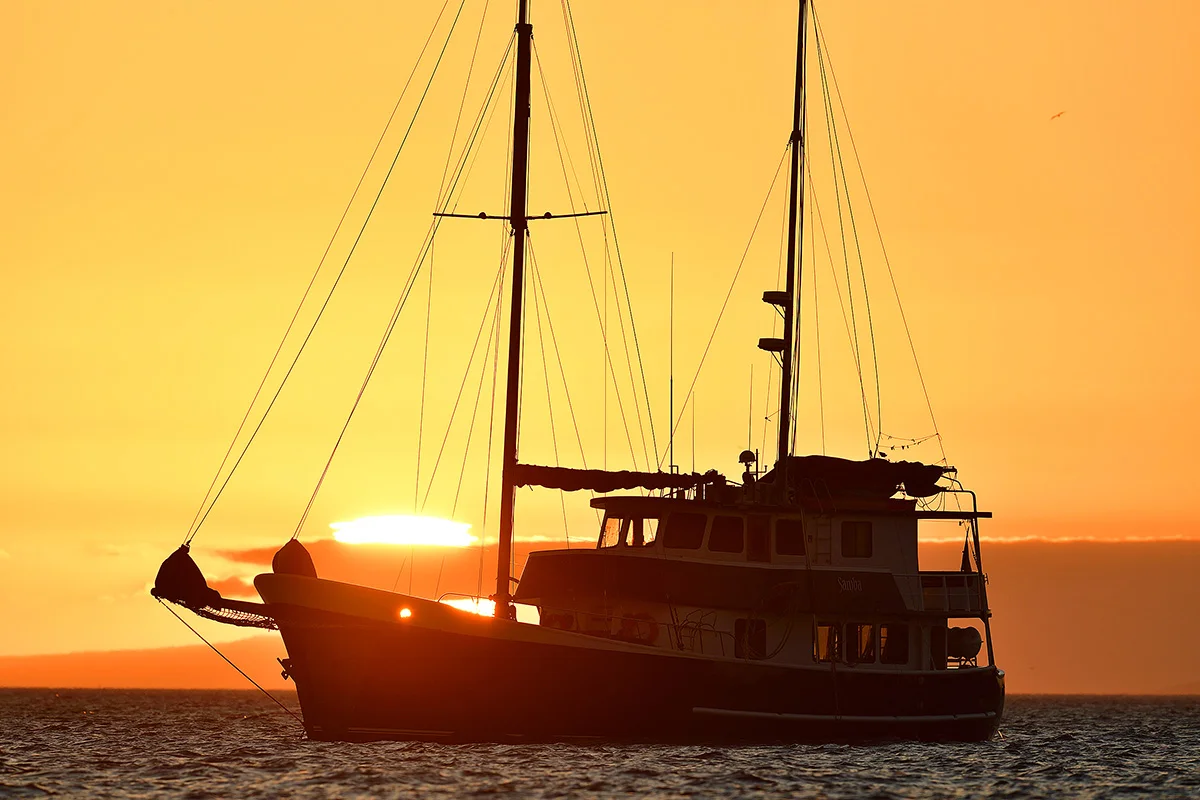
The Samba houses 14 guests. This is the perfect number to fully experience the magic of the Galápagos Islands, because privacy and room for manoeuver are guaranteed. The latter is essential for exhaustive nature photography. The boat crew is very professional and kind. And your guides? We will always go the extra mile to show you the beauty of nature and share our best photography tips and tricks. A trip of a lifetime!
We charter the boat, which gives us more freedom to sail where we want.
Extra overnight stays and excursions in Ecuador – Quito are possible. We can supply an overview of all the options and extensions on demand.
CLIMATE AND CLOTHING
The cold season lasts from May to September, with an average temperature of 20°C. December to April brings really hot and dry weather, with an average temperature of about 32°C. We travel in-between seasons, so be prepared for both types of weather. It gets cold at night during both seasons, and rain is no exception. Be sure to bring sweaters and a raincoat.
Our hikes comprise several kilometres at most. Because of this, they are accessible for anyone with a normal physical condition. The volcanic terrain can be rough, so be sure to bring sturdy shoes.