Tour dates
From
To
Condition
Group size
Pricing
5975 euros
-> 750 euro discount if you combine both Galápagos trips
-> Optional: top cabin (per couple) for 1500 euros extra per trip
Schedule
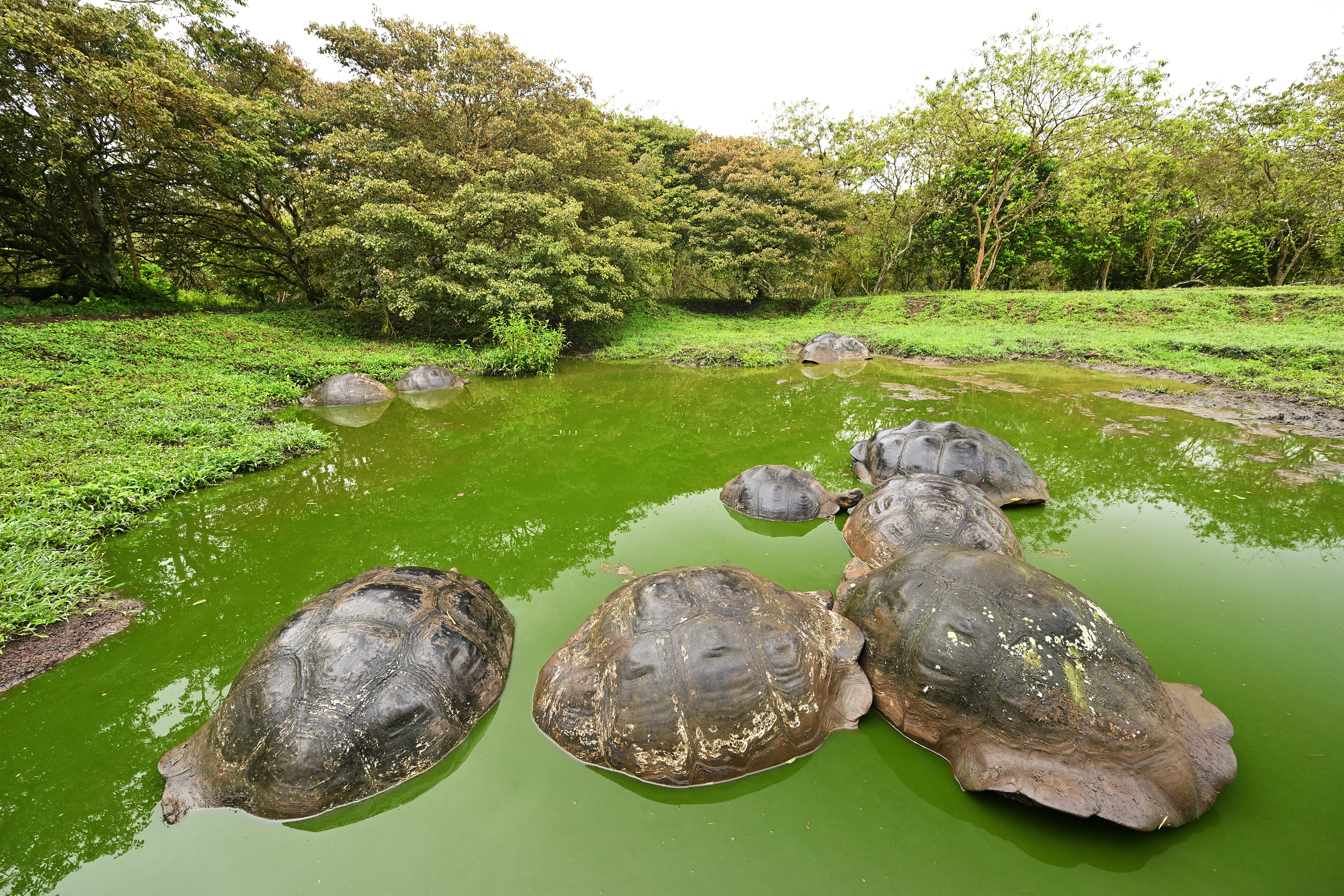
Arrive at Baltra and meet your naturalist guide before crossing to Santa Cruz. Explore the lush Highlands, home to giant tortoises, Scalesia forests, and rich birdlife — a great first opportunity for portraits and moody forest shots. Board the Samba in the early evening.
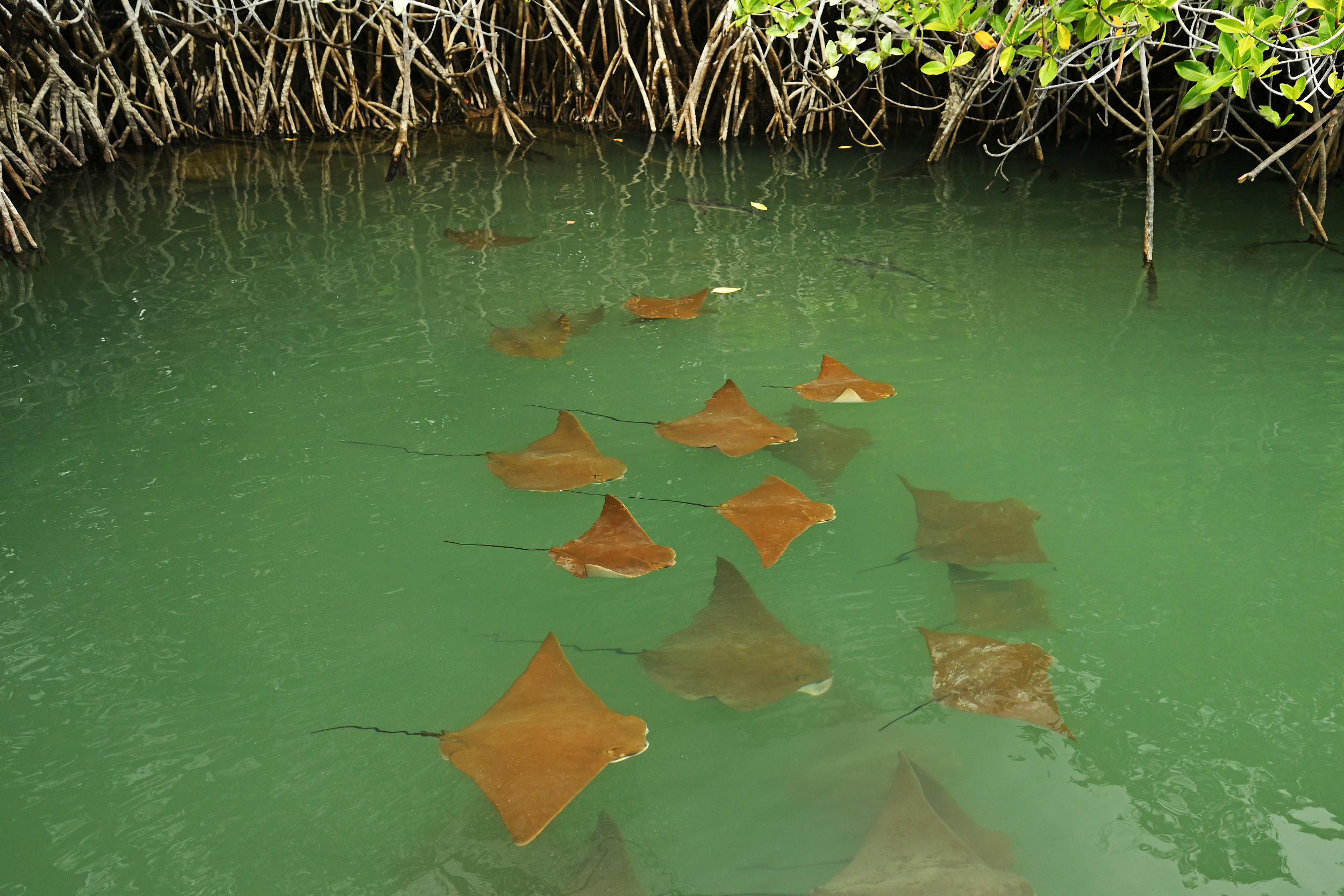
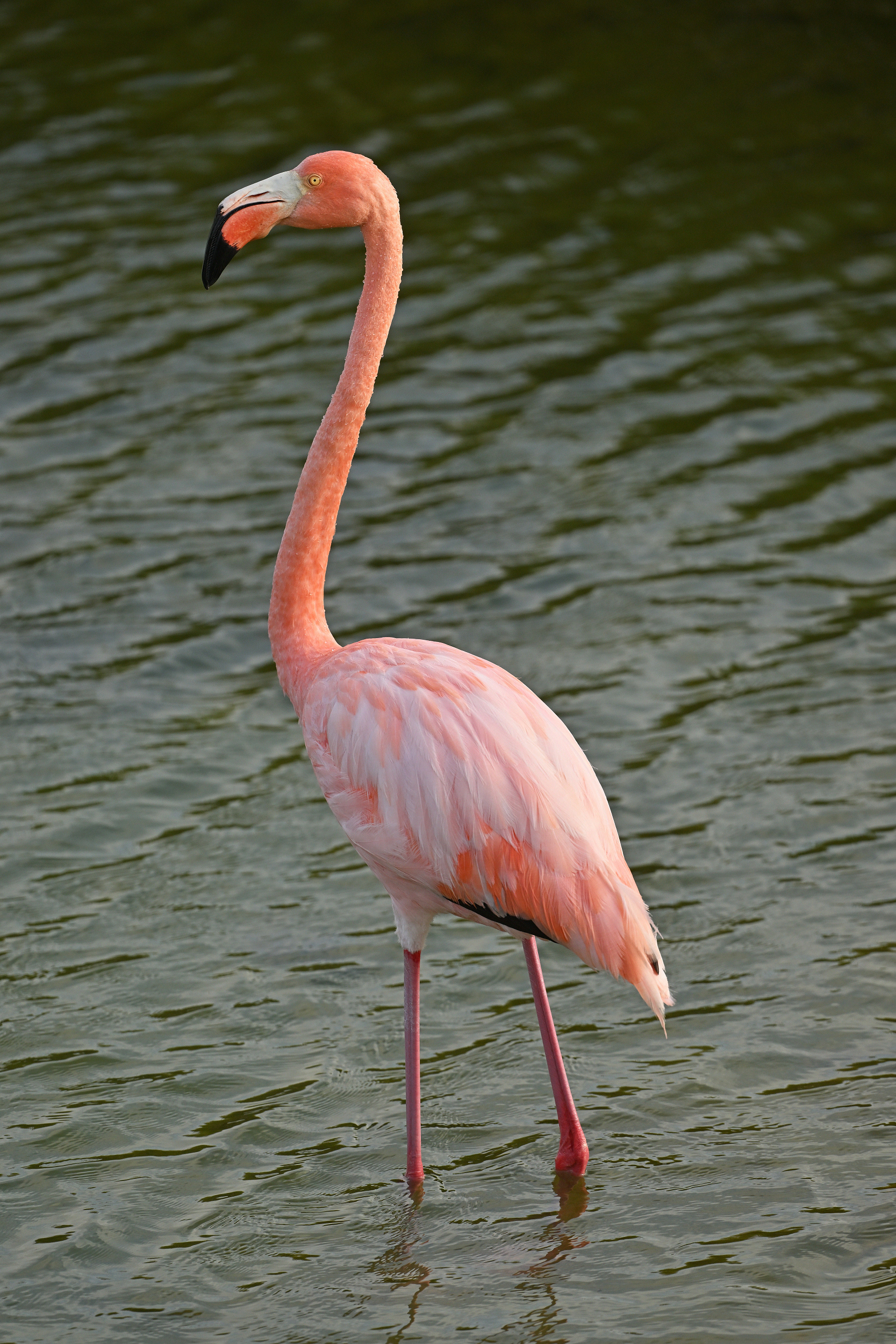
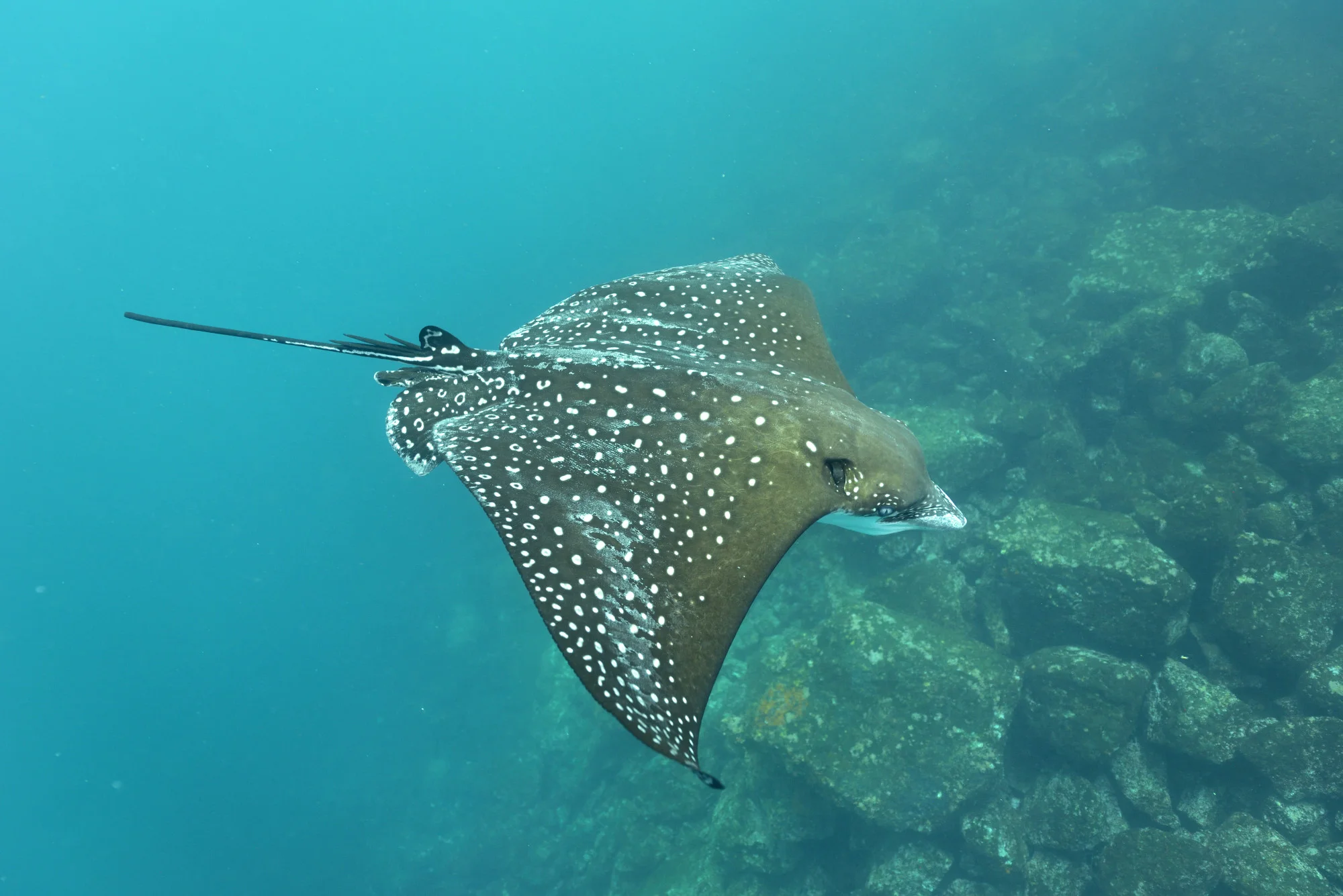
At Punta Cormorant, photograph flamingos, sea turtles, and contrasting olivine and white-sand beaches. Snorkel at Champion Islet among sea lions, rays, and vibrant fish before visiting Post Office Bay and the Baroness Lookout for landscapes and storytelling-rich human history.
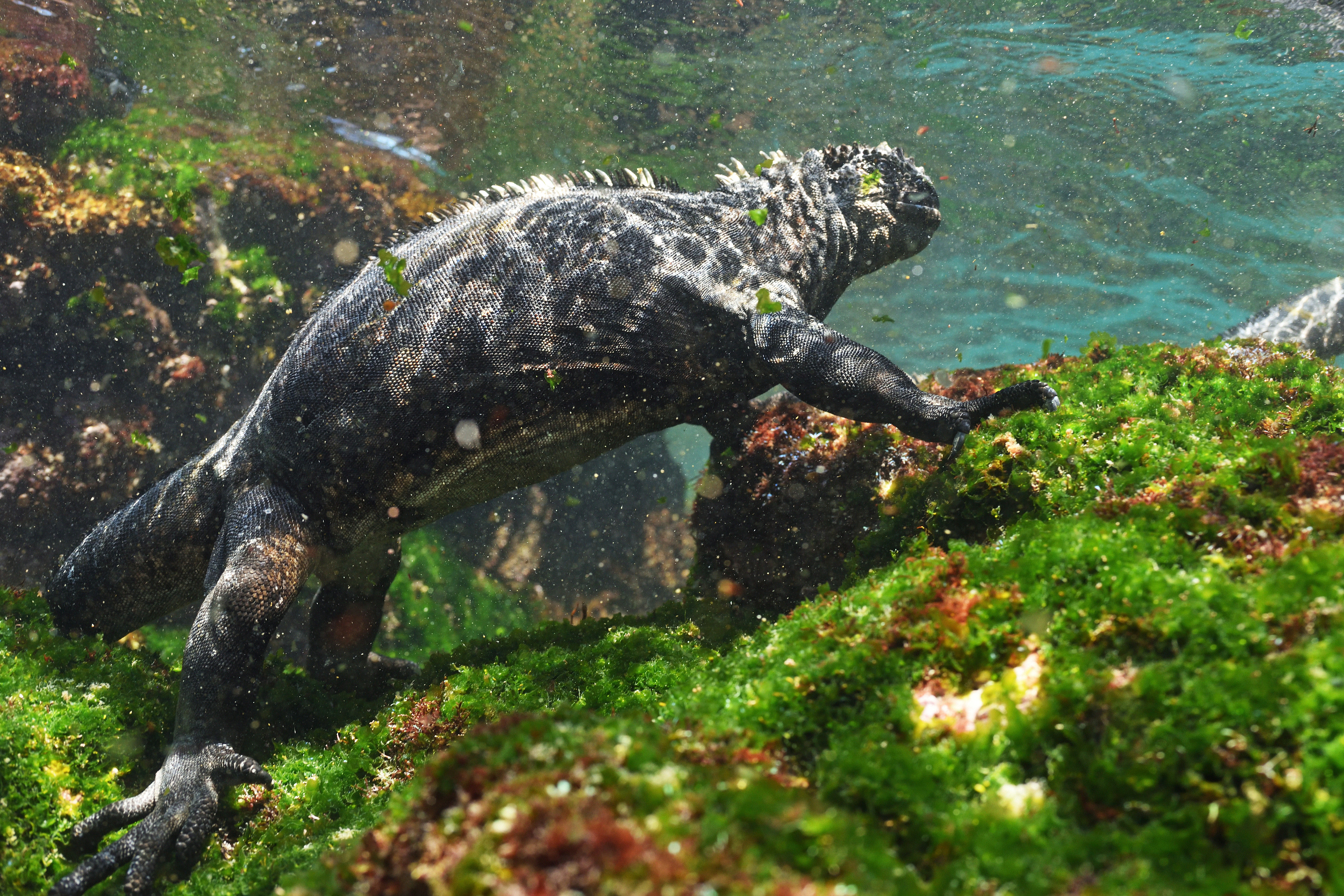
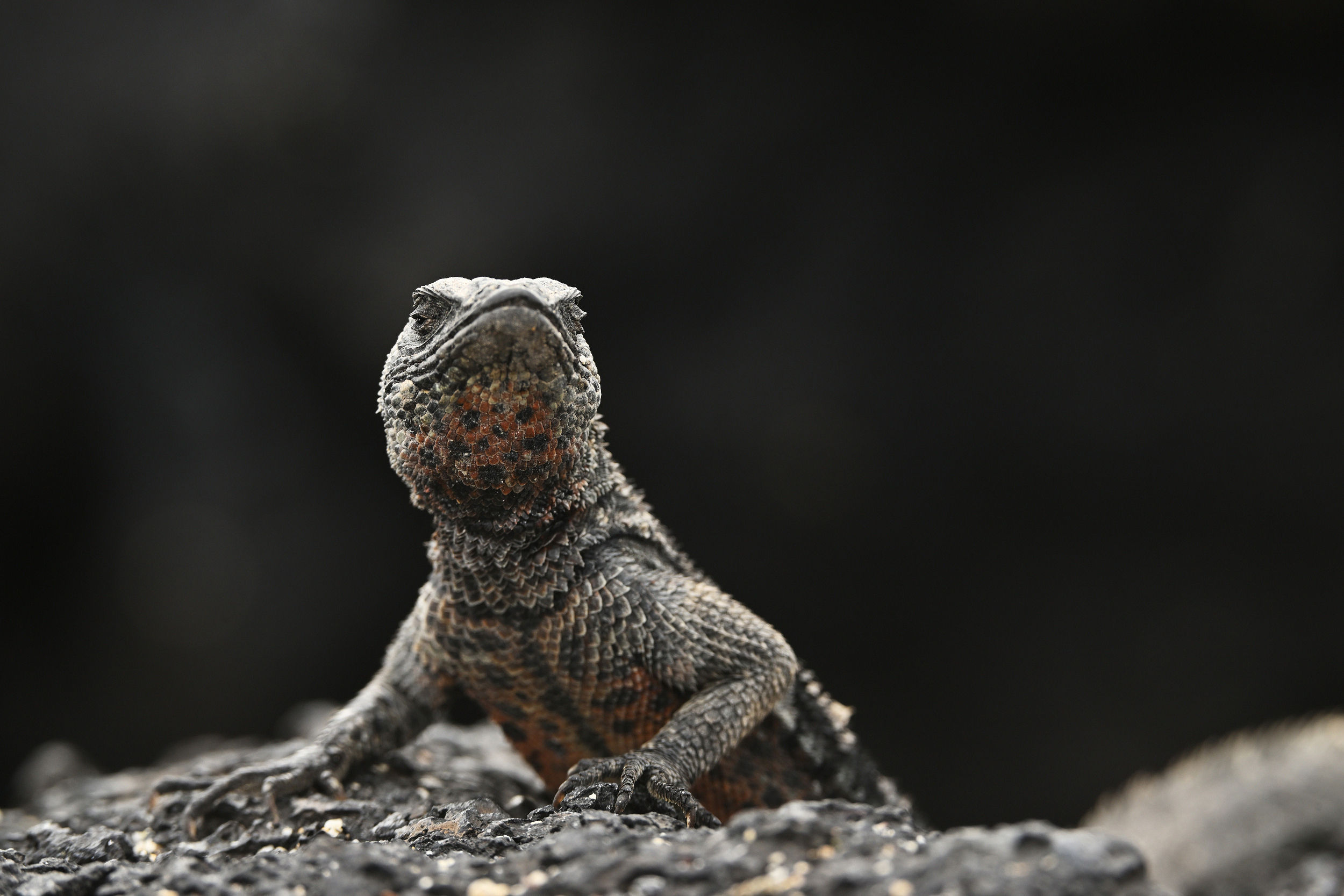
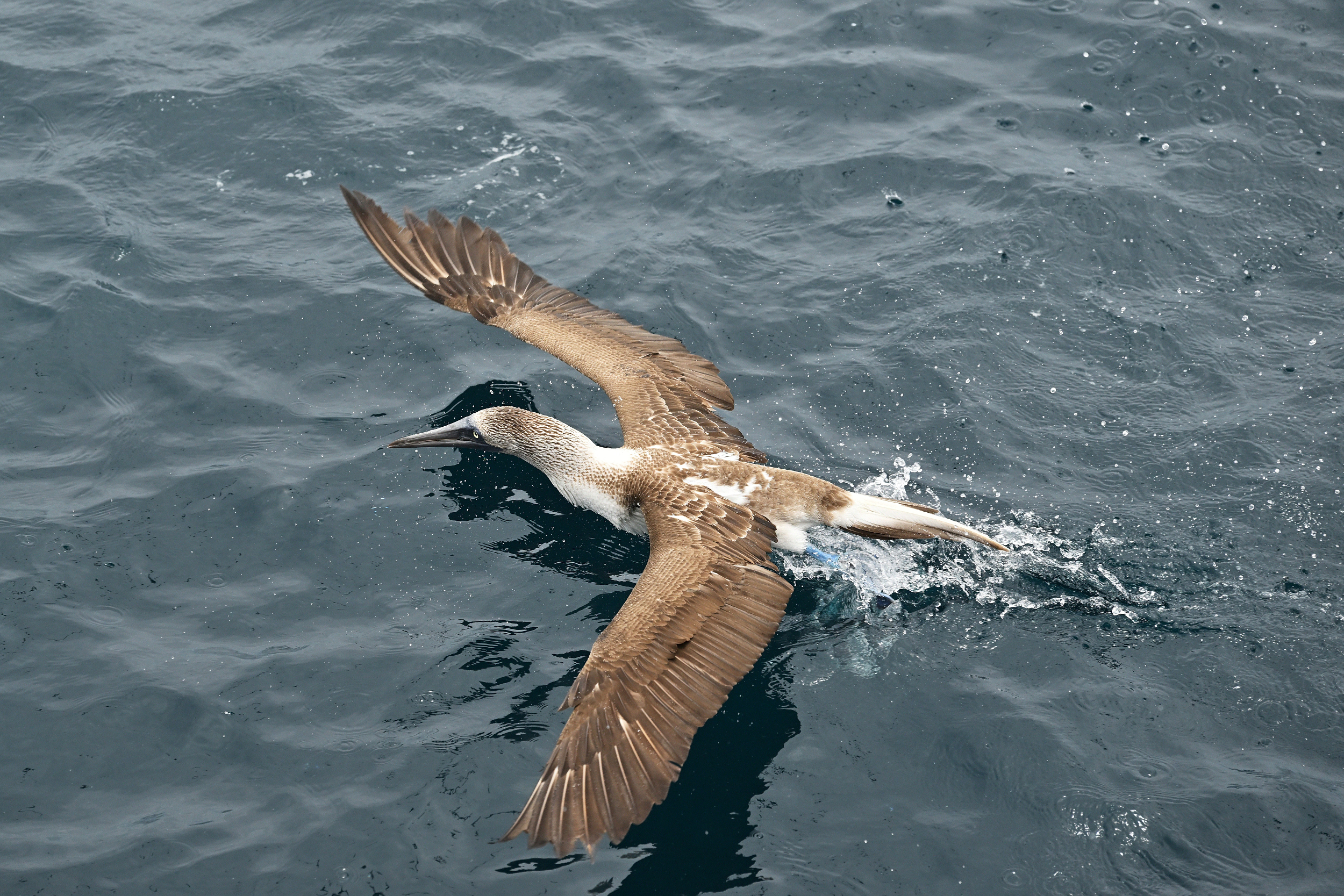
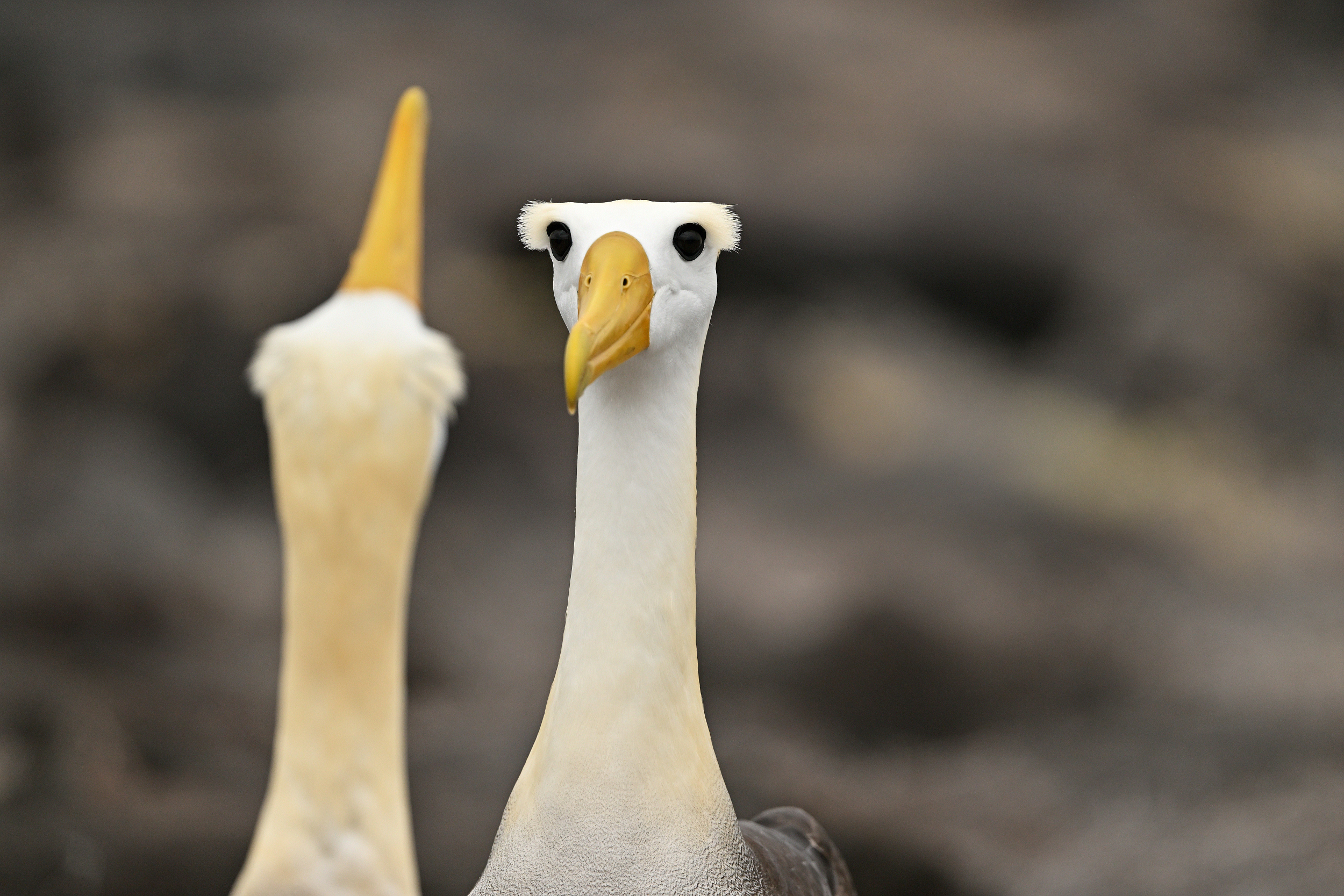
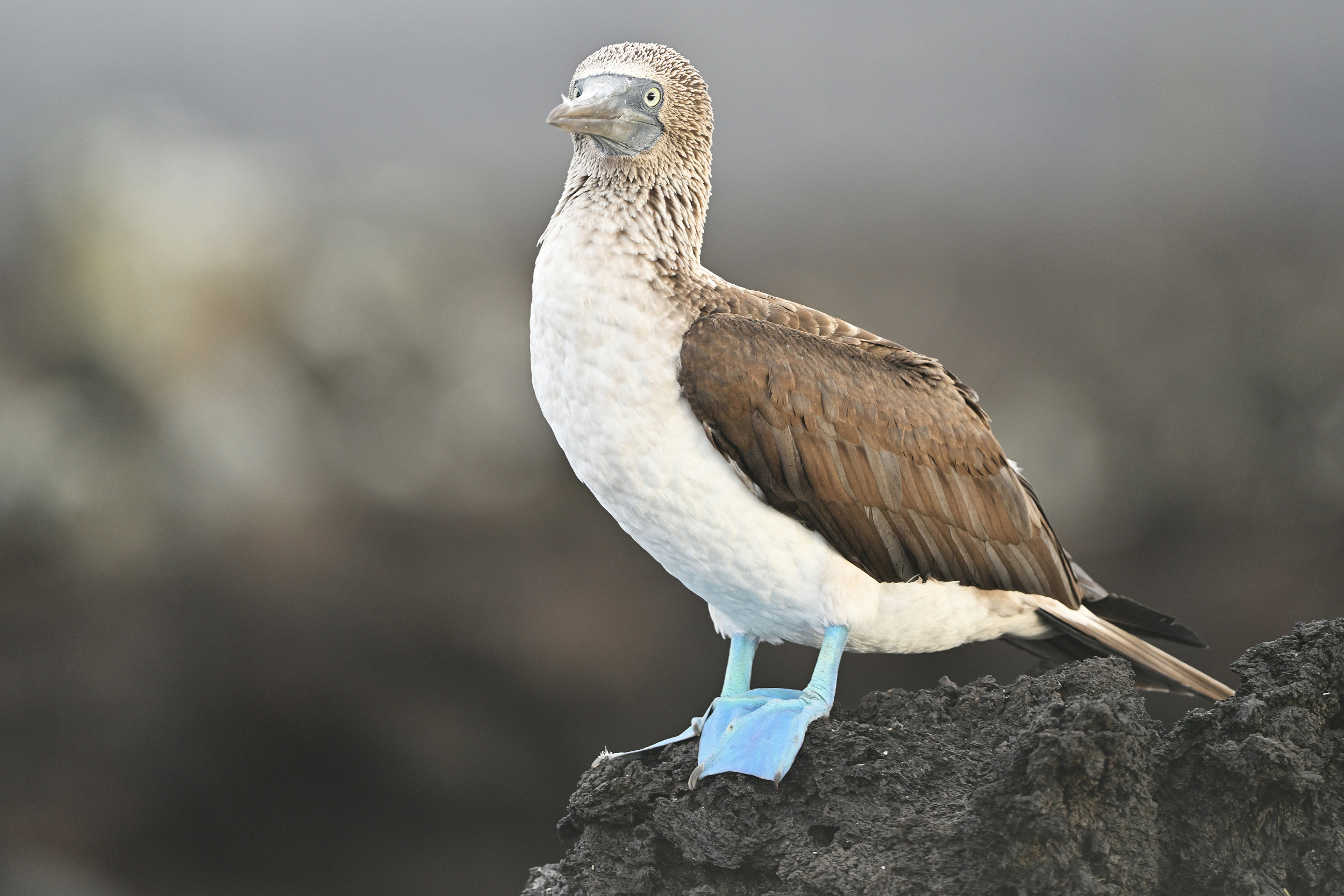
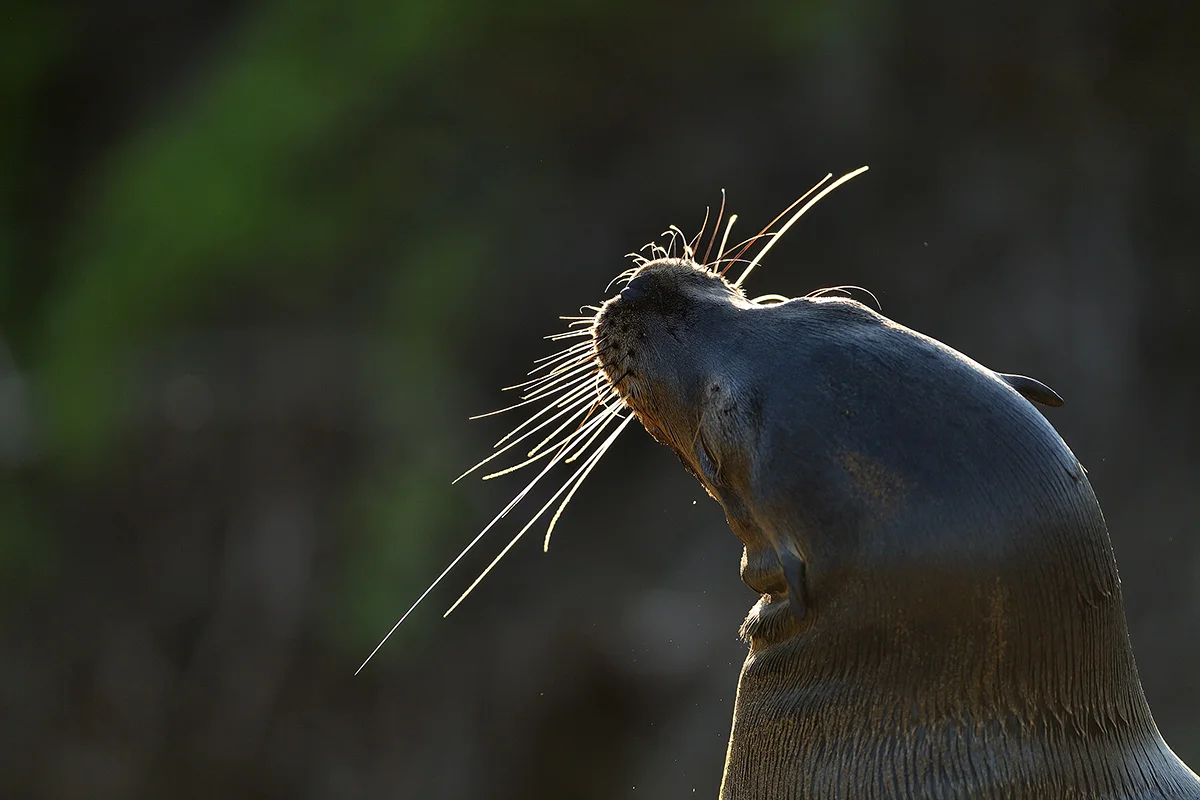
Punta Suárez greets you with fiery-coloured marine iguanas, blue-footed boobies, and dramatic cliffs packed with seabirds, including (seasonally) the waved albatross. In the afternoon, relax or photograph playful sea lions on Gardner Bay’s pristine white beach, with optional snorkelling or kayaking.
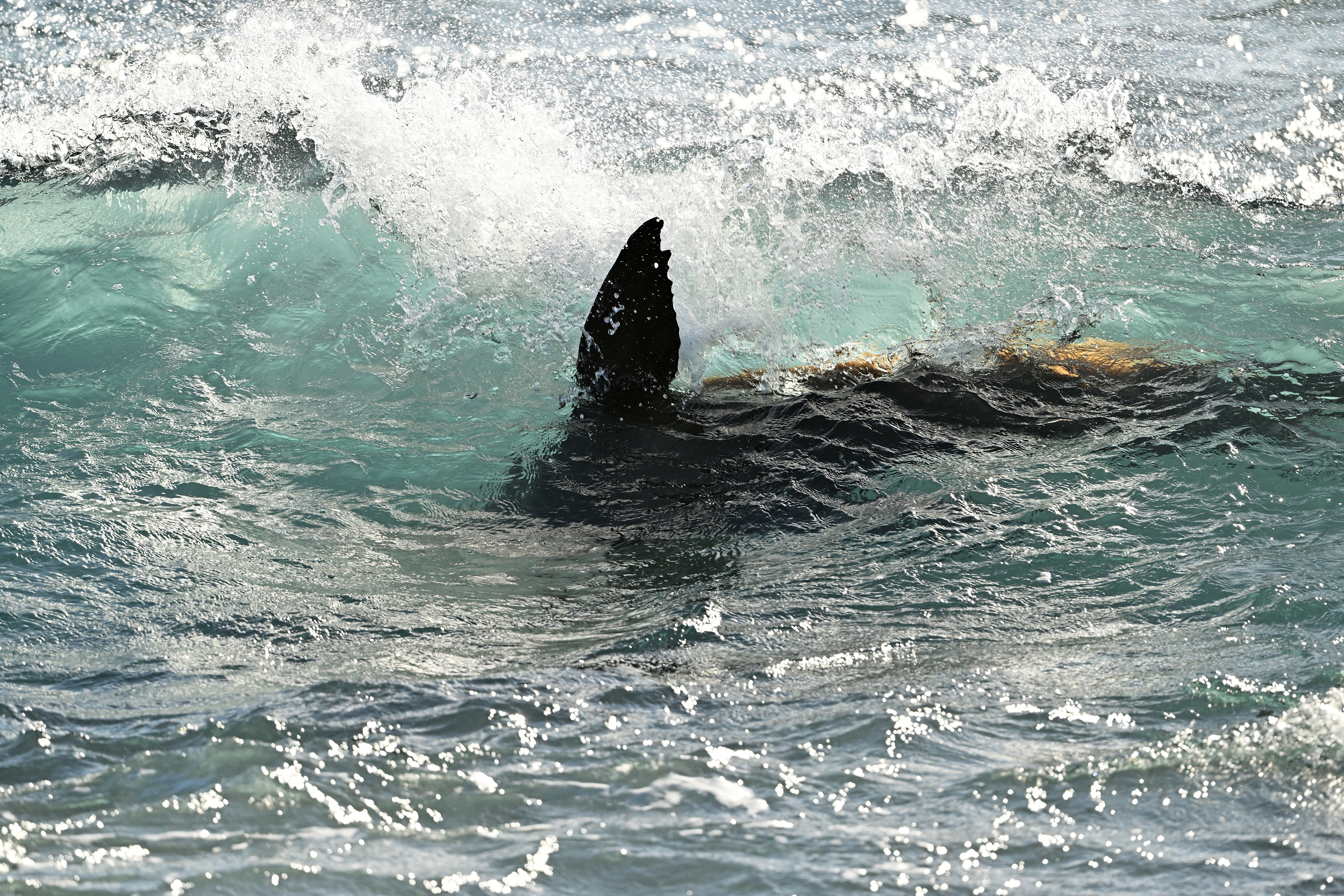
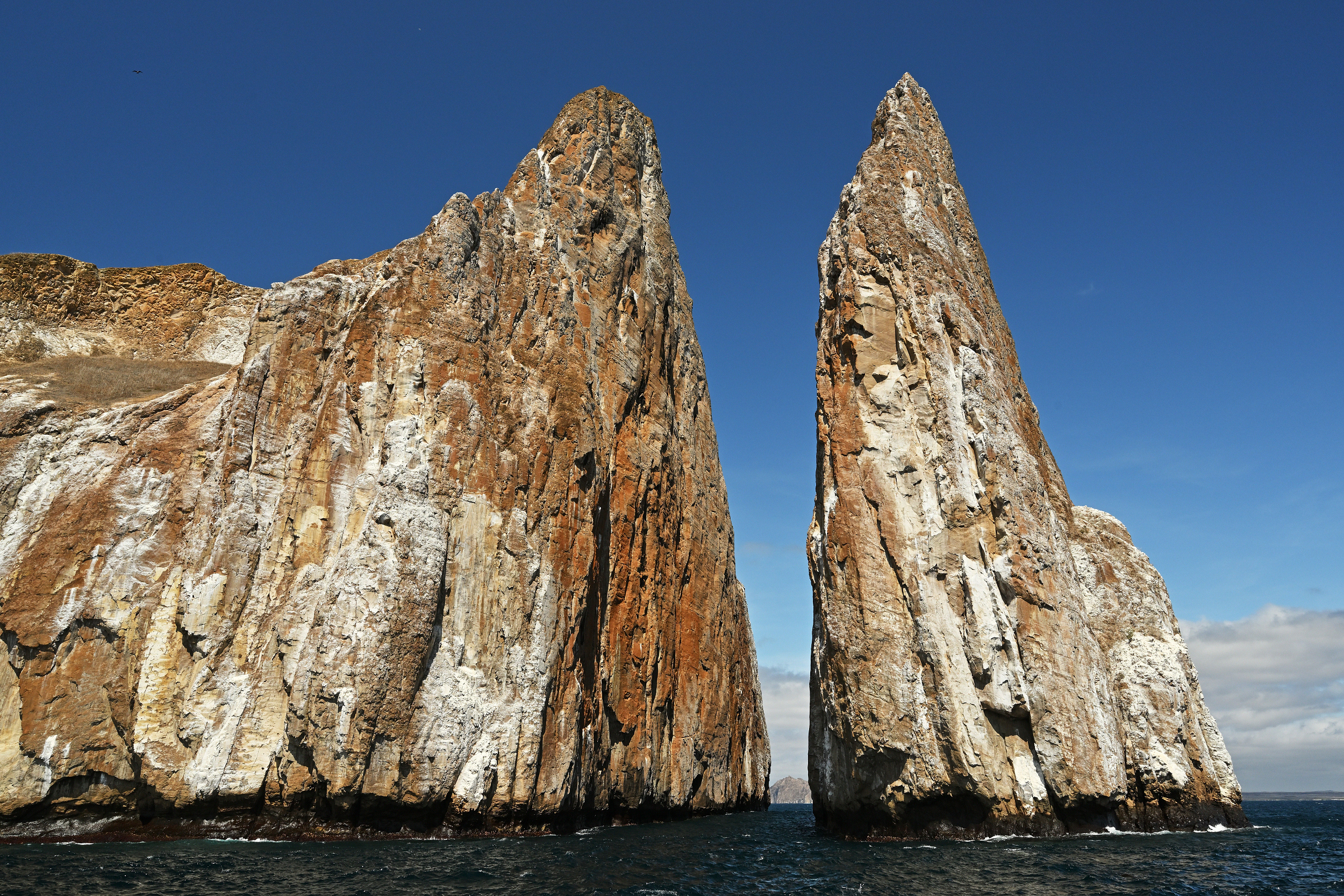
Circumnavigate the towering walls of Kicker Rock and, conditions permitting, snorkel with sharks, turtles, and schooling fish. At Punta Pitt, capture surreal volcanic landscapes, red-footed boobies, frigatebirds, and golden beaches before a sunset hike on the tuff cone.
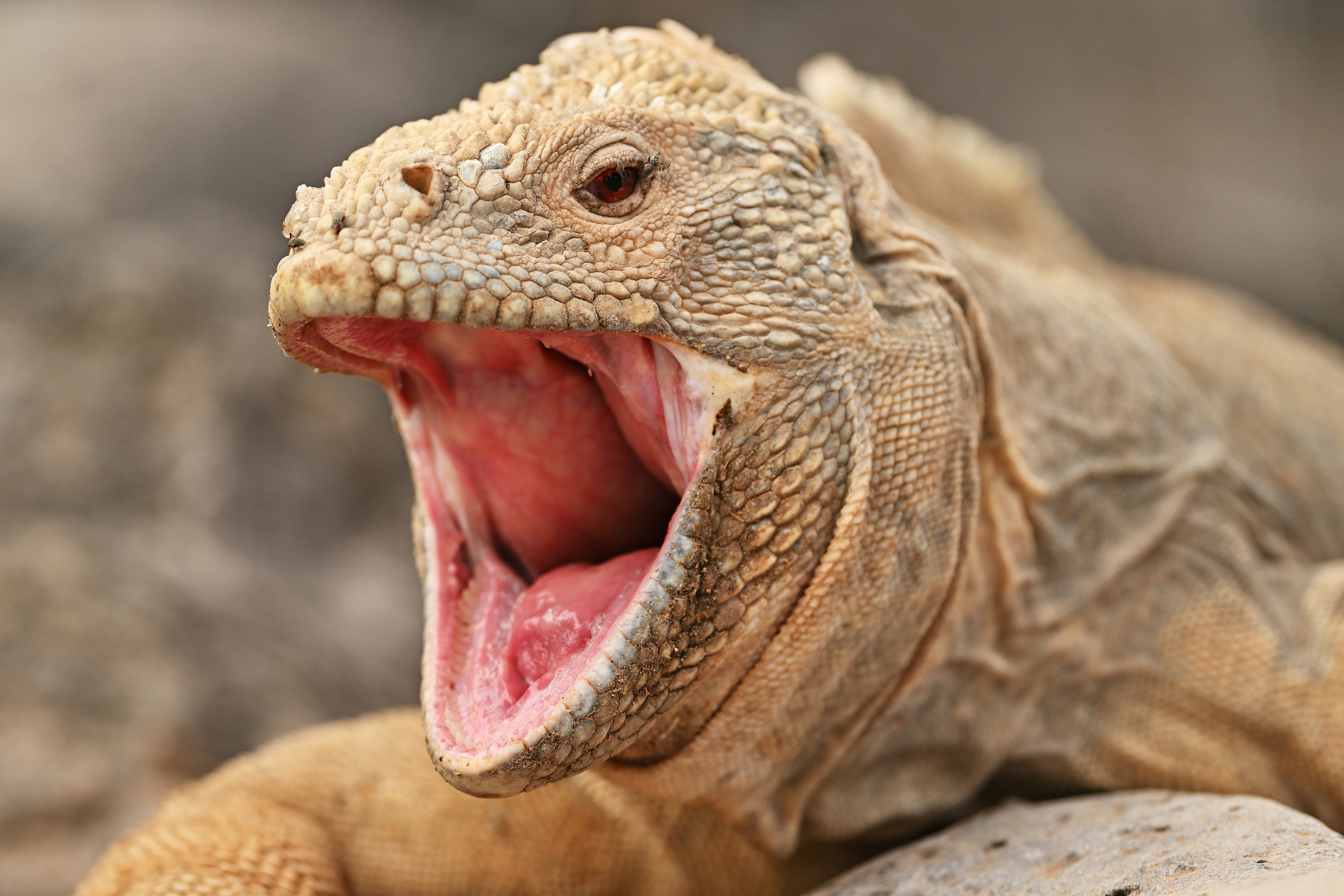
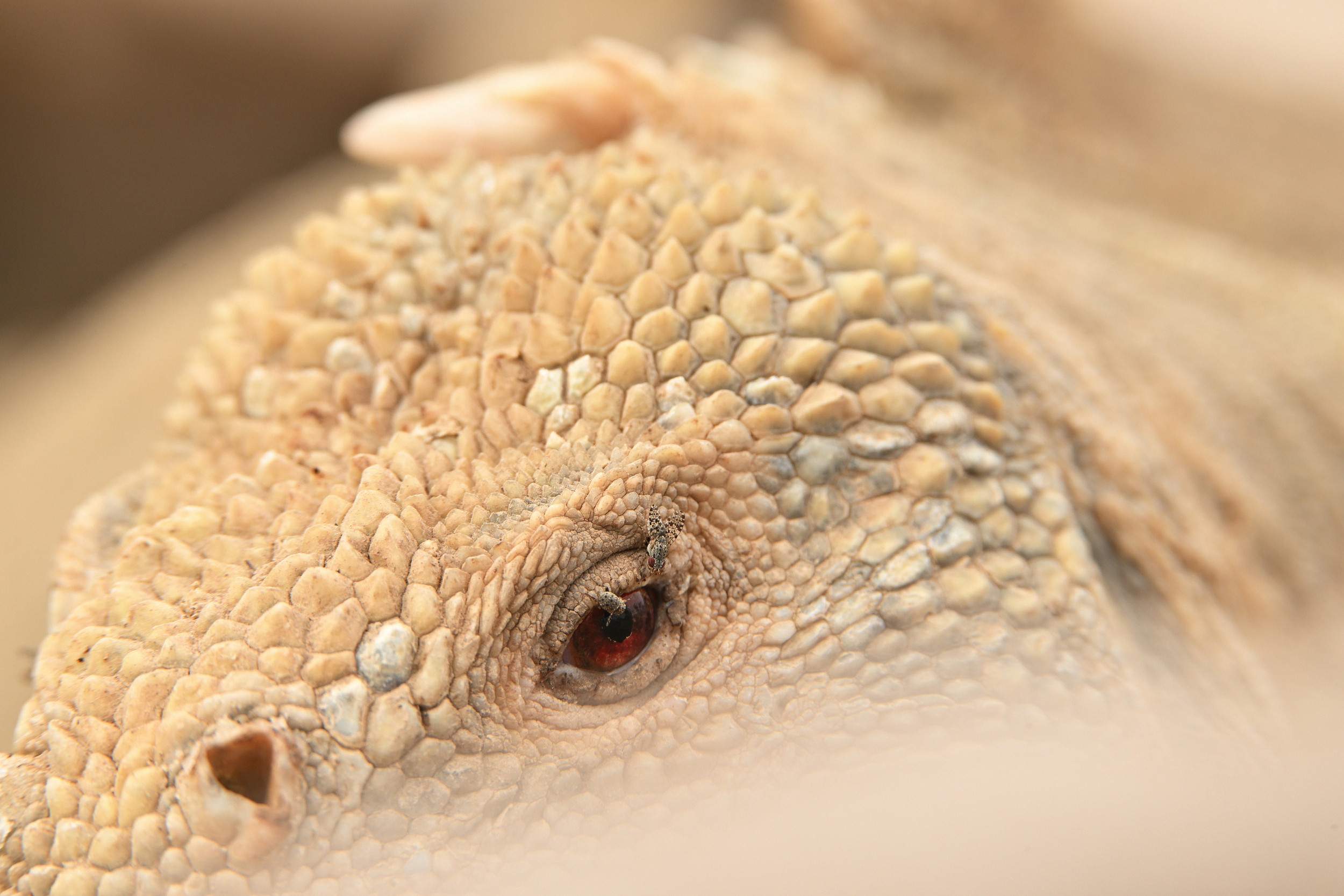
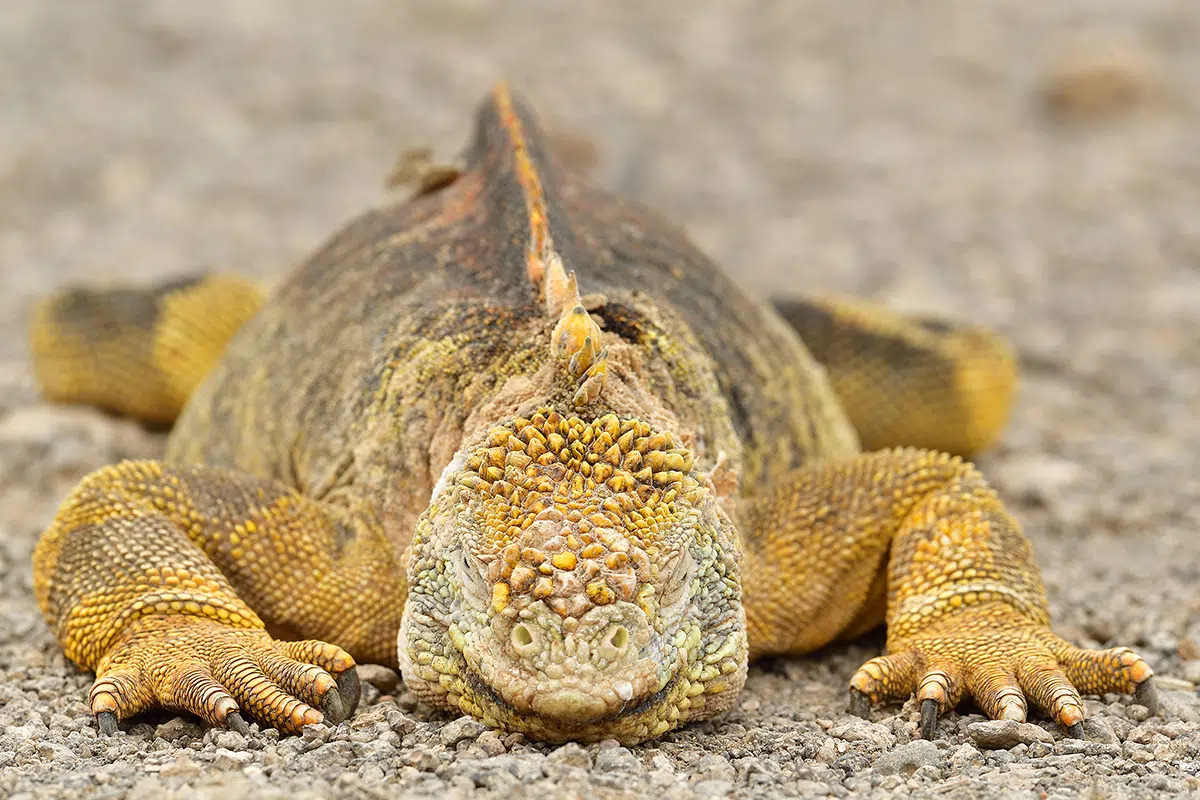
Discover Santa Fe’s turquoise Barrington Bay, home to giant cactus forests, Galápagos hawks, sea lions, and the endemic pale land iguana — perfect for close wildlife encounters. Continue to South Plaza for striking color contrasts, dramatic cliffs, and one of the best sites for iguana and seabird photography.
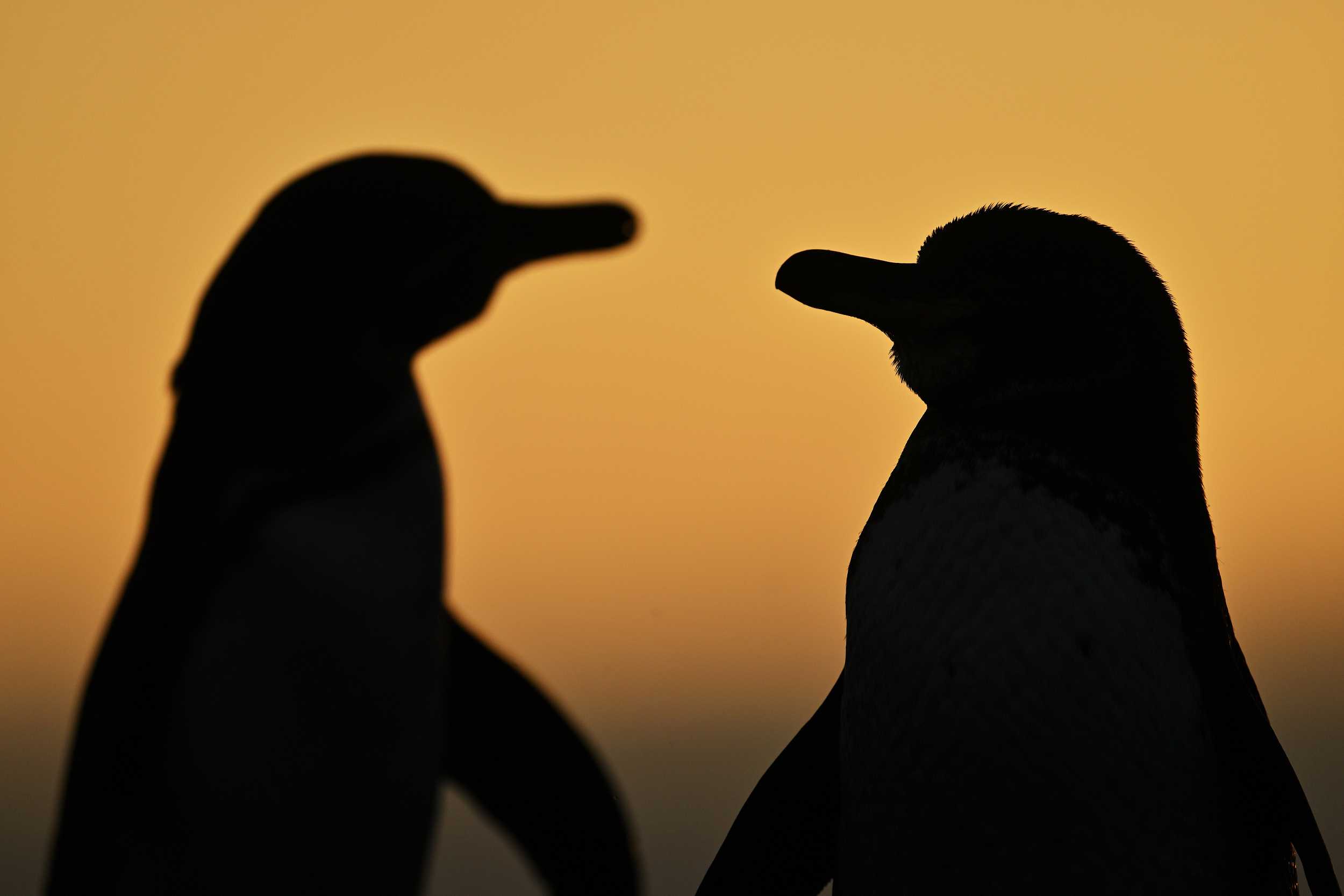
Photograph fresh, otherworldly lava formations and snorkel with penguins around Chinese Hat’s pristine waters. In Bartolomé, climb to the iconic viewpoint overlooking Pinnacle Rock before exploring golden beaches where sea turtles nest.
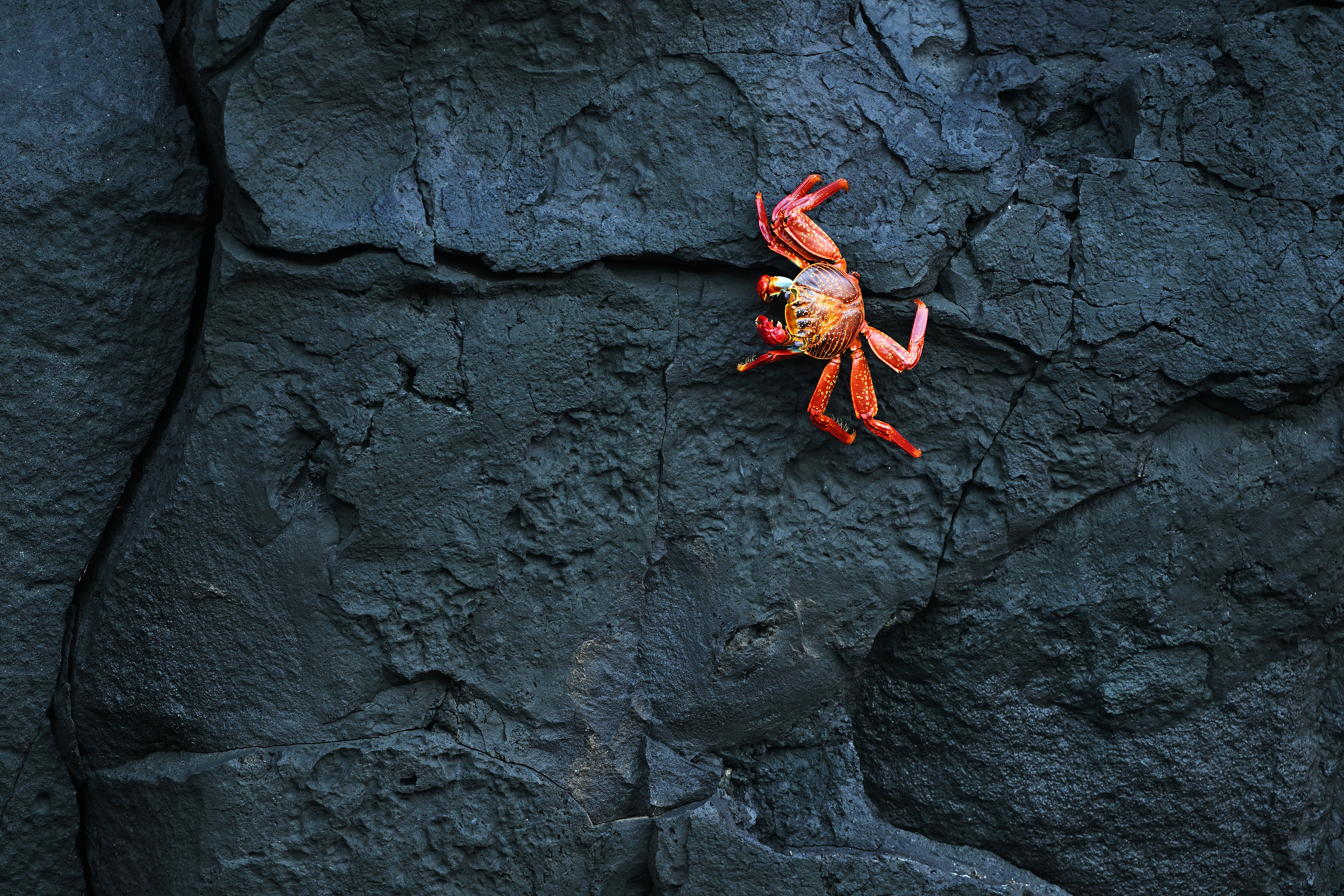
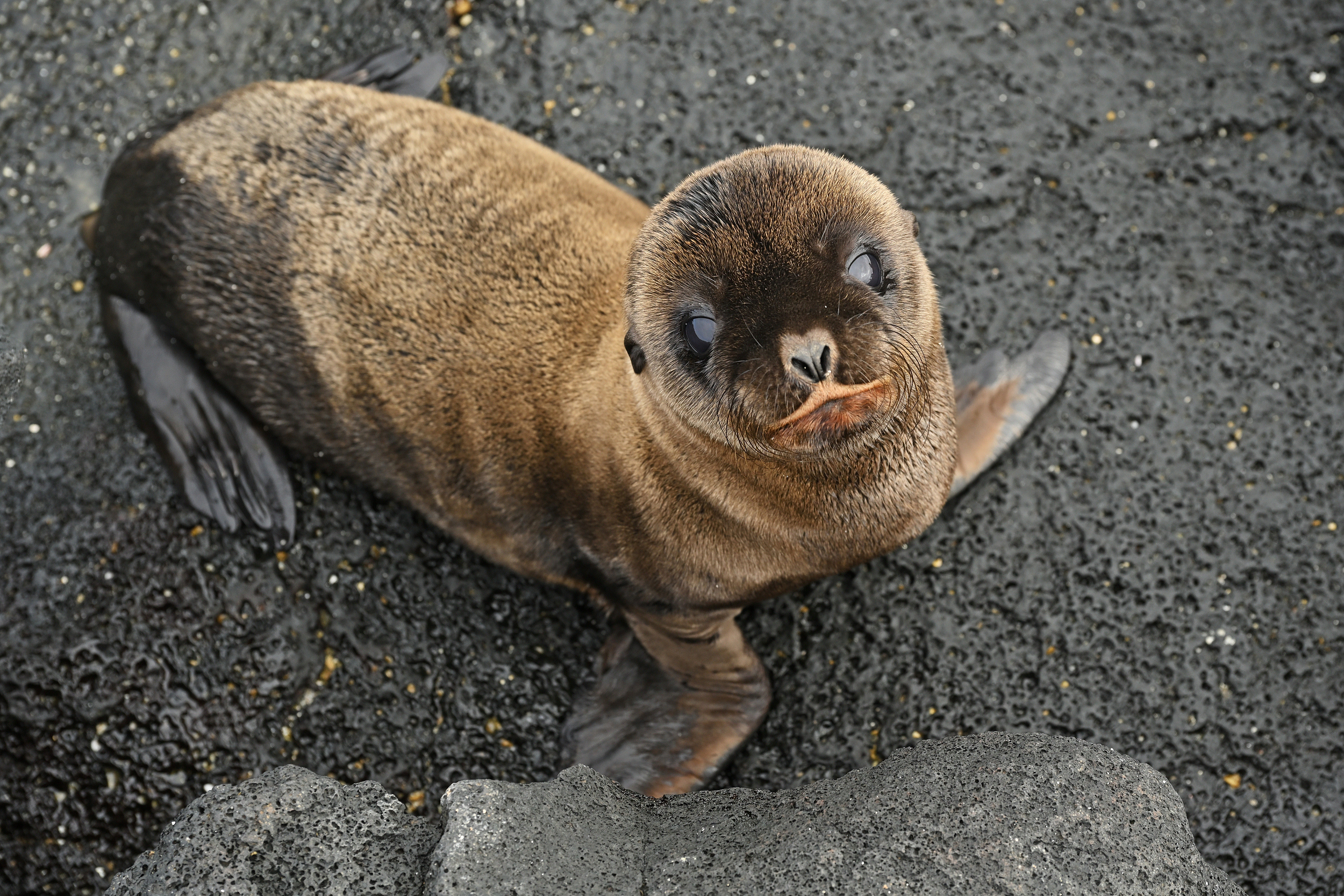
In James Bay, photograph shorebirds, lava formations, brightly colored crabs, marine iguanas, and fur sea lions resting in partially collapsed lava tubes. In the afternoon, explore Rábida’s deep red volcanic beach, sea lion nursery, and excellent snorkeling with rays, sharks, and vibrant fish.
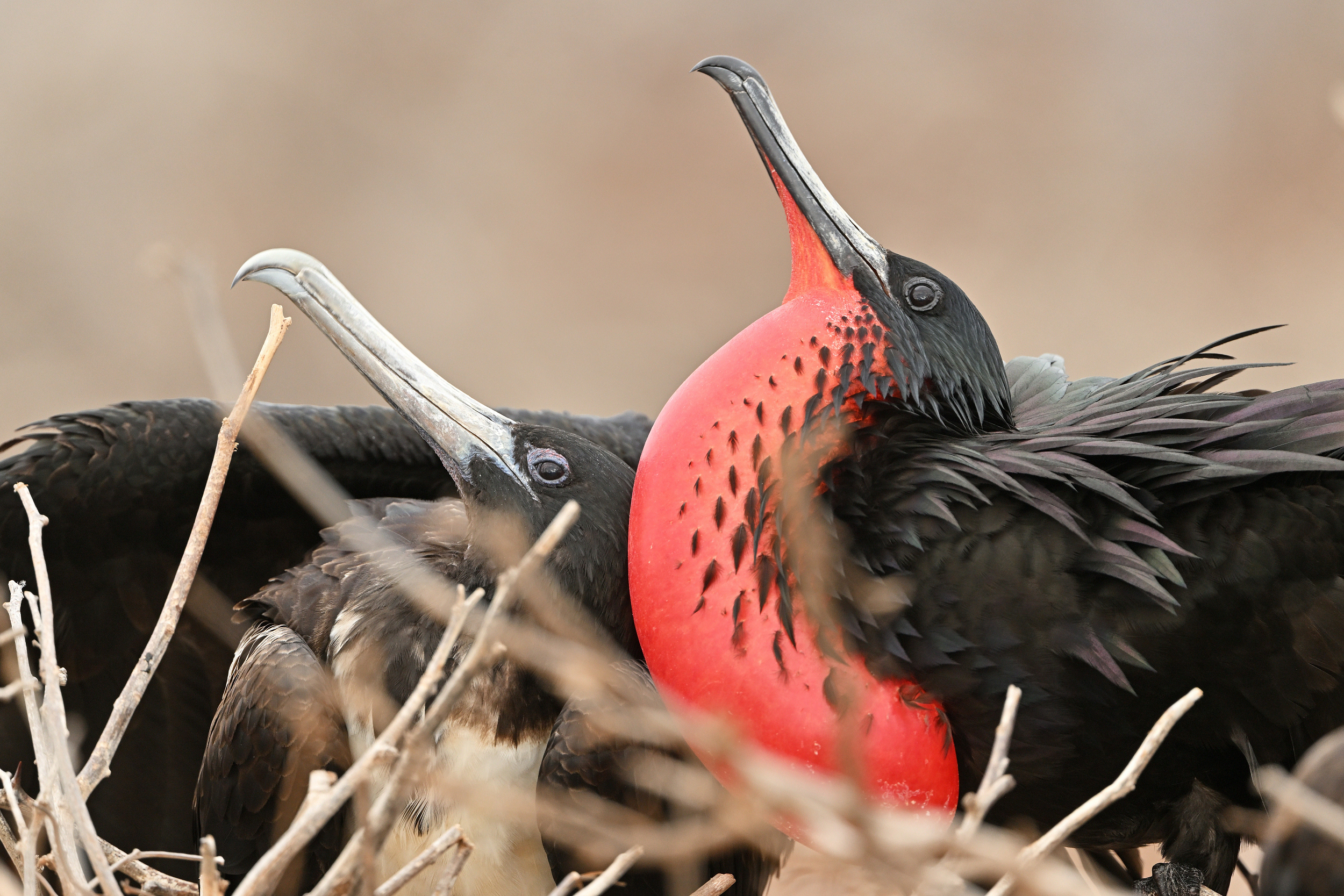
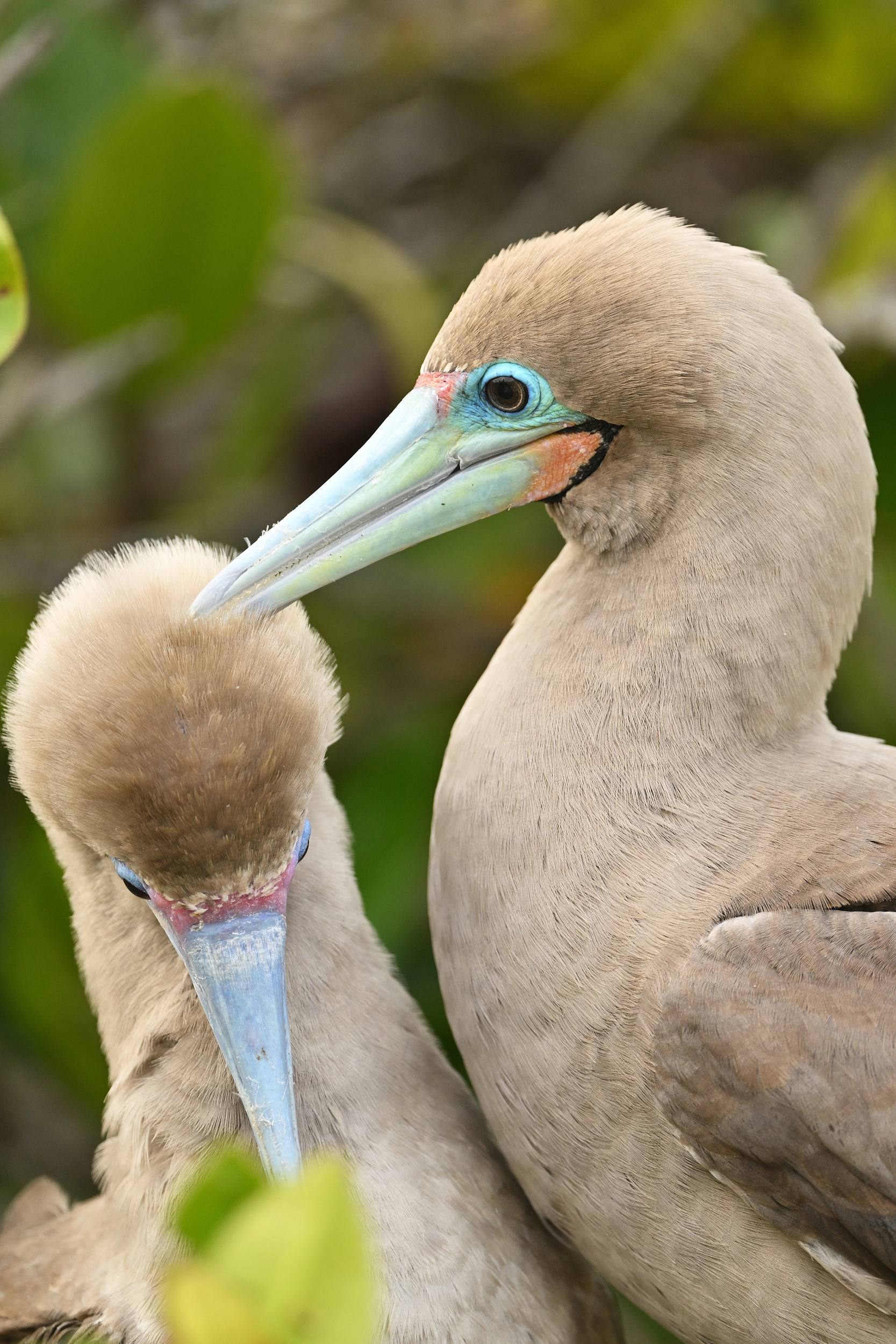
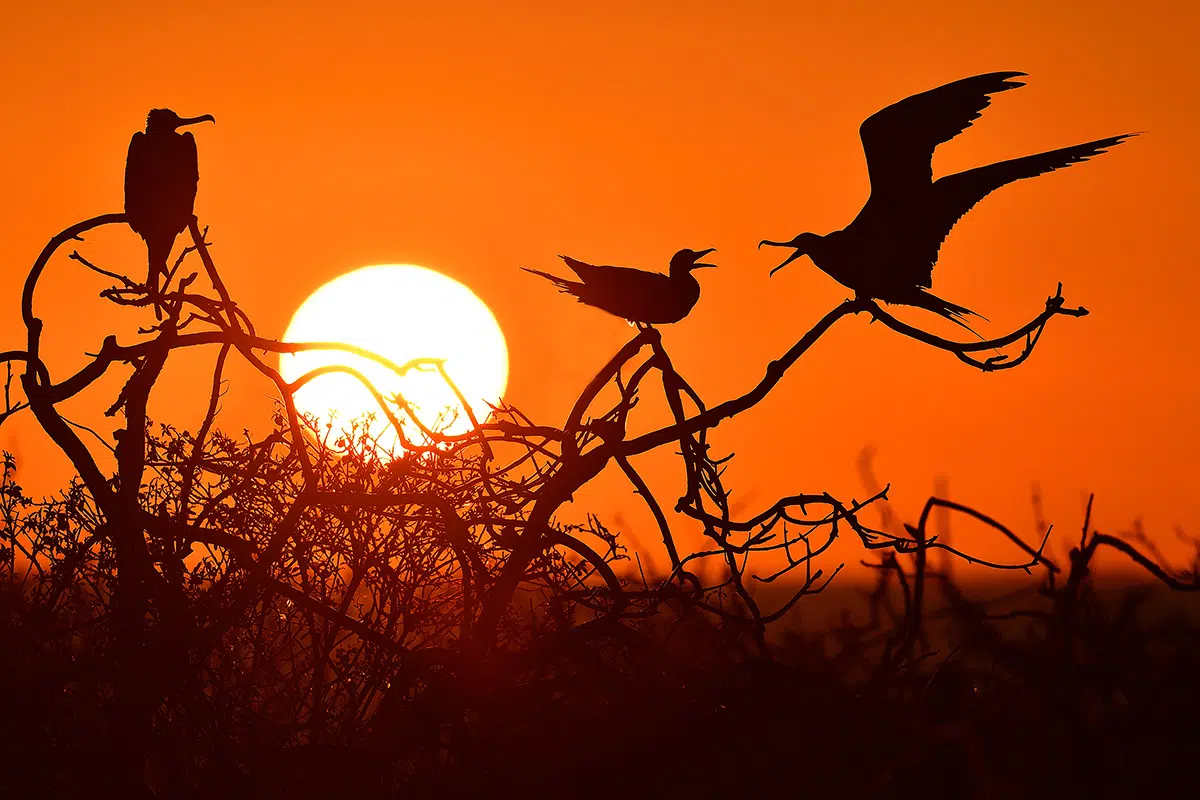
Walk among the largest blue-footed booby colony in the islands and witness frigatebird males displaying their red throat pouches.
After a final morning of iconic Galápagos wildlife photography, return to the Samba for breakfast and check out.
Partnership

REMARKABLE HISTORY
From a geological point of view, the Galápagos Islands are very young. They ‘only’ emerged a few million years ago and were discovered by chance in 1535. Ecuador annexed the archipelago a hundred years later. But it was Charles Darwin who really discovered the islands in 1835. This is when he set foot ashore and explored the islands for weeks. His extensive research of the fauna and flora formed the basis of his evolutionary theory. Because he noted the presence of several species of Darwin’s finches, he linked the isolation of the archipelago to the evolution of the species who lived there.
UNIQUE CLIMATE
The Galapagos Islands are characterised by extremes. The cold Humboldt Current brings in cold and eutrophic water, supporting an enormous ecosystem. But this changes every few years, because of the El Niño-phenomenon. Warm water comes in and the sea currents change. This causes a massive decline in the population of iguanas, seals, penguins and other species, and an absence of sea birds. Extreme climate changes that have, however, proven to be optimal for the emergence of new species. Evolutionary theory at work!
A PHOTOGRAPHER’S DREAM
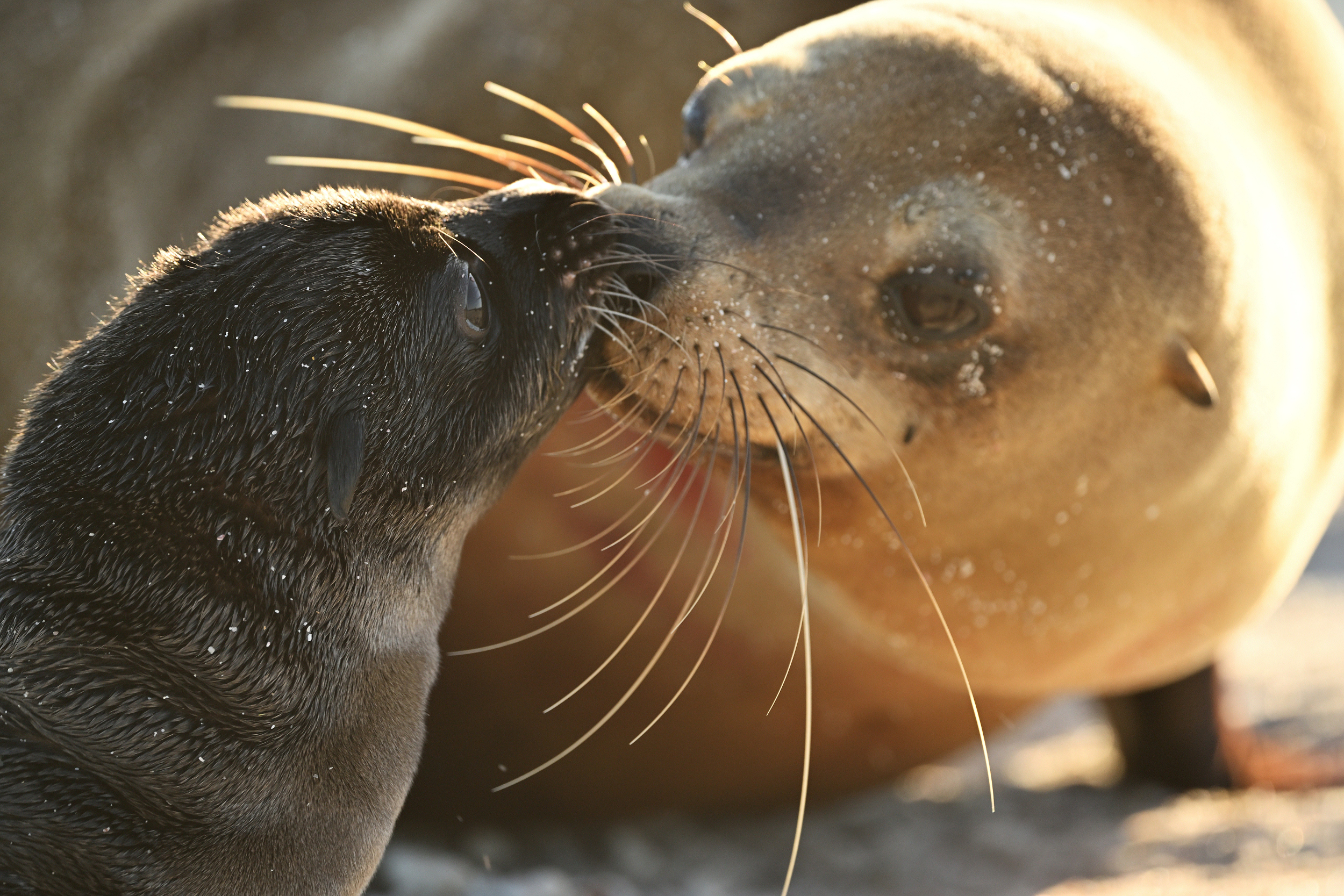
The Galapagos Islands never disappoint photographers. Impressive landscapes and spectacular wildlife are united on the archipelago. It has been a protected Ecuadorian National Park since 1968. This measure has proven to be vital for the conservation of numerous unique species.
The broad deck of our ship and the limited number of guests ensure sufficient room for manoeuver. We offer the very best conditions to explore all the beauty the islands have to offer.
EXTRAORDINARY WILDLIFE
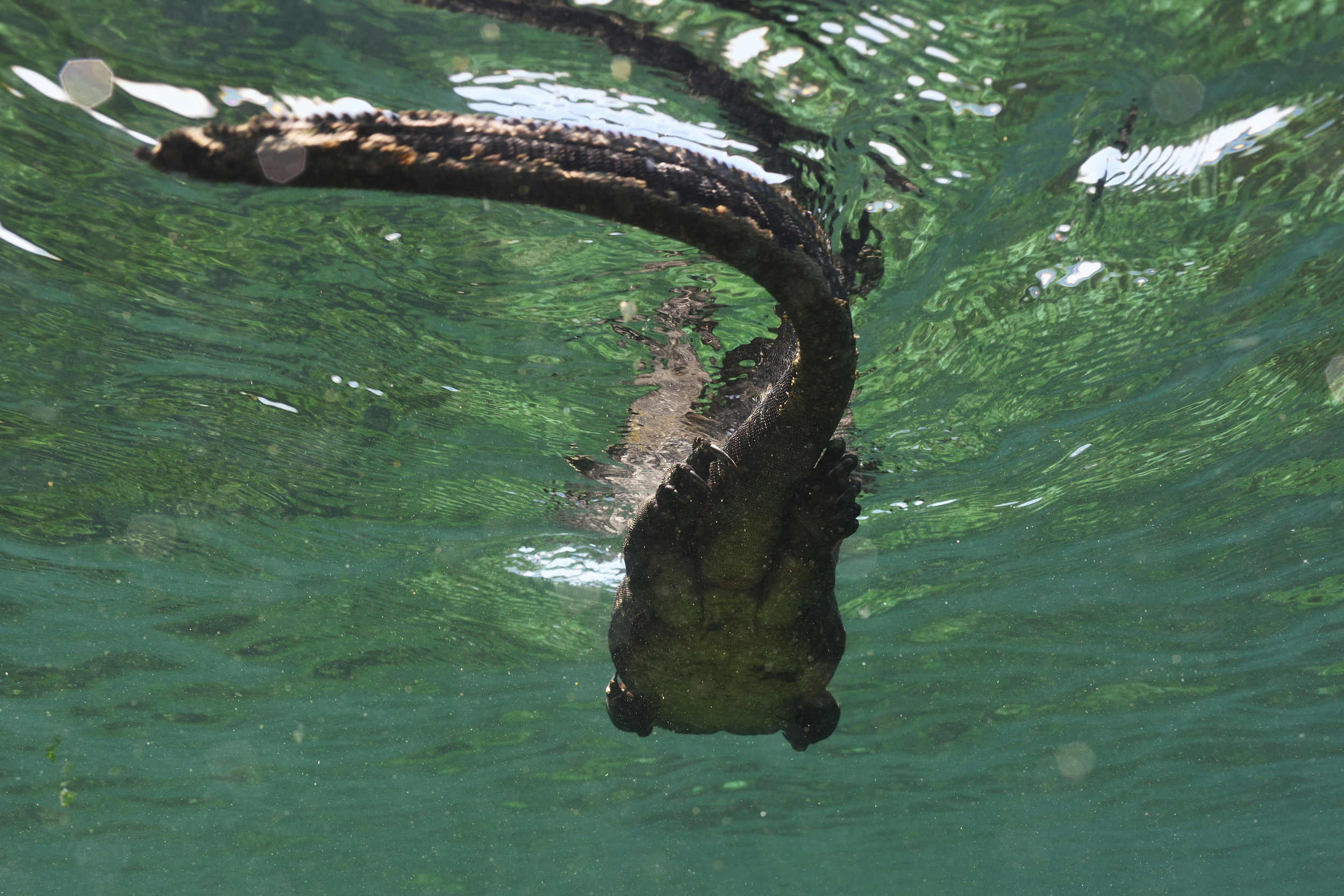
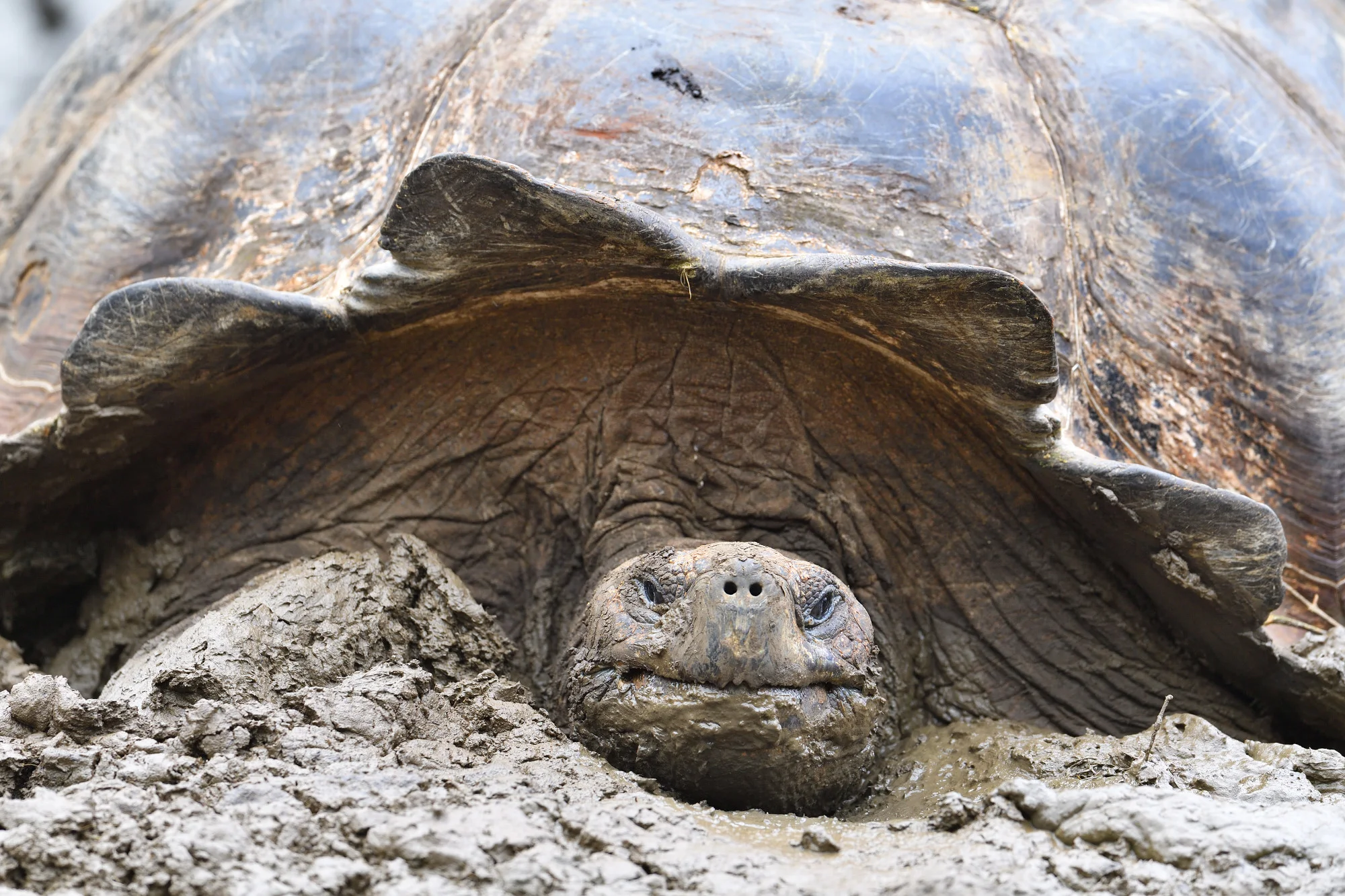
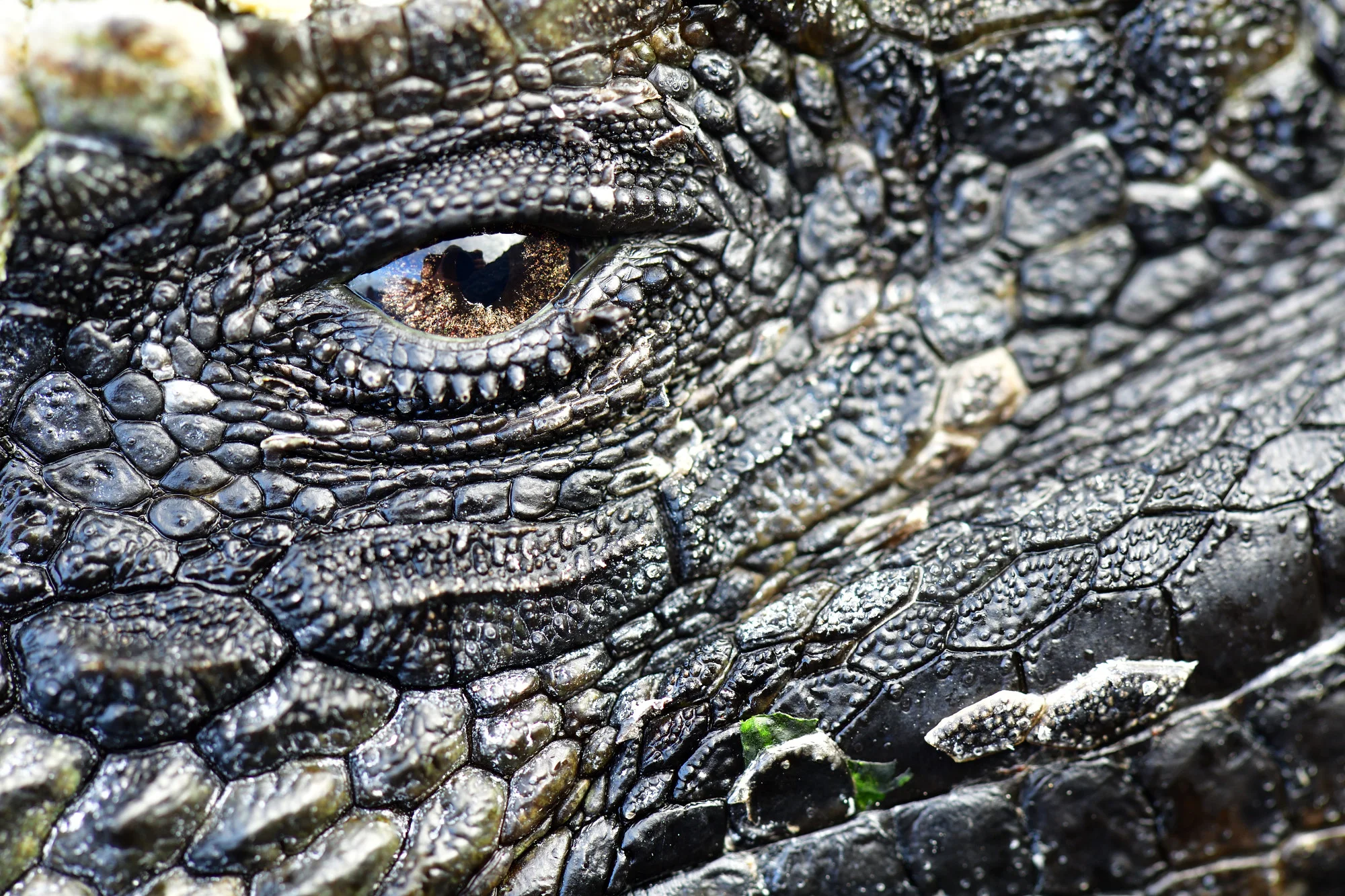
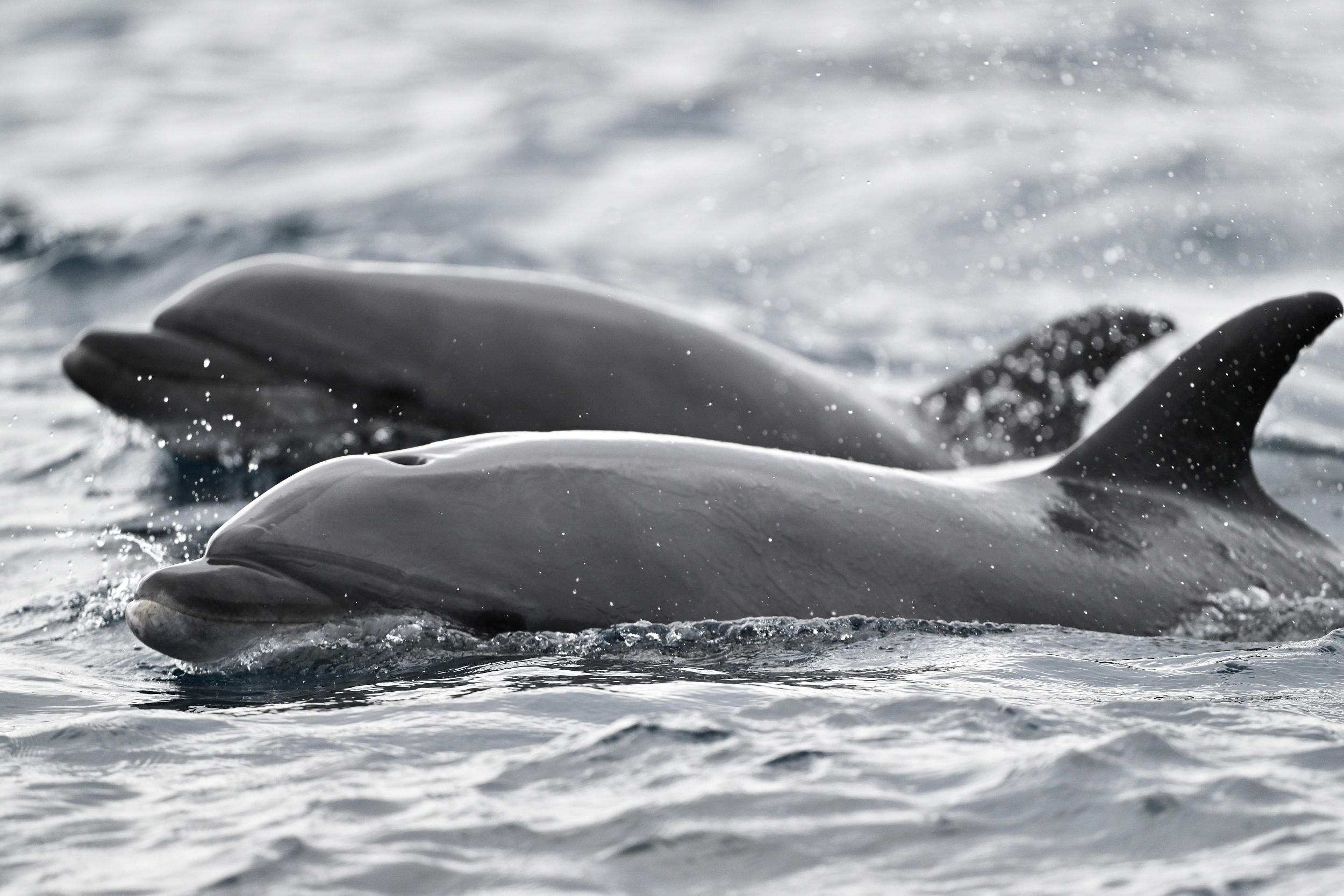
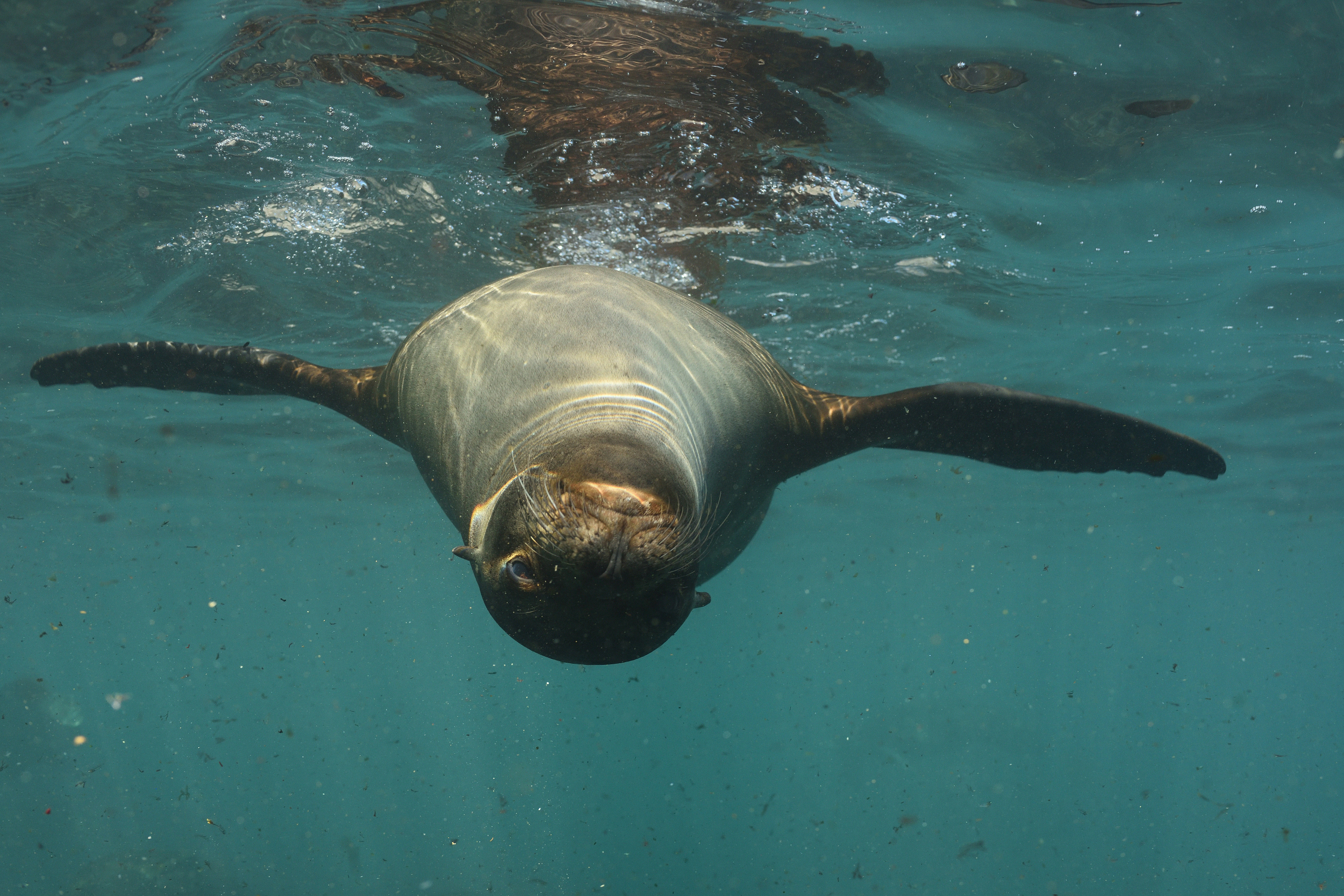
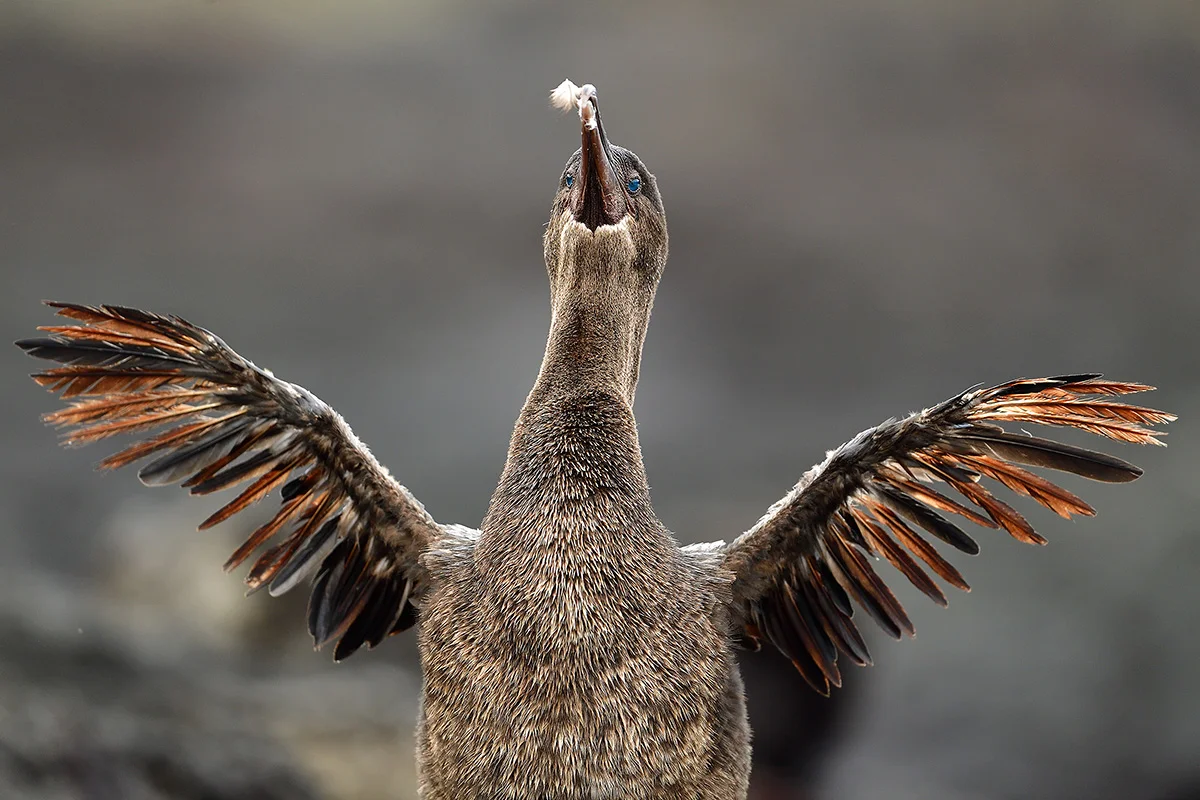
The Galapagos islands harbour many endemic species. There’s the famous sea iguana, whose black skin heats its body temperature every time it emerges from the cold waters. The giant tortoise is the largest species of tortoise on earth. And sea life along the coasts is absolutely abundant.
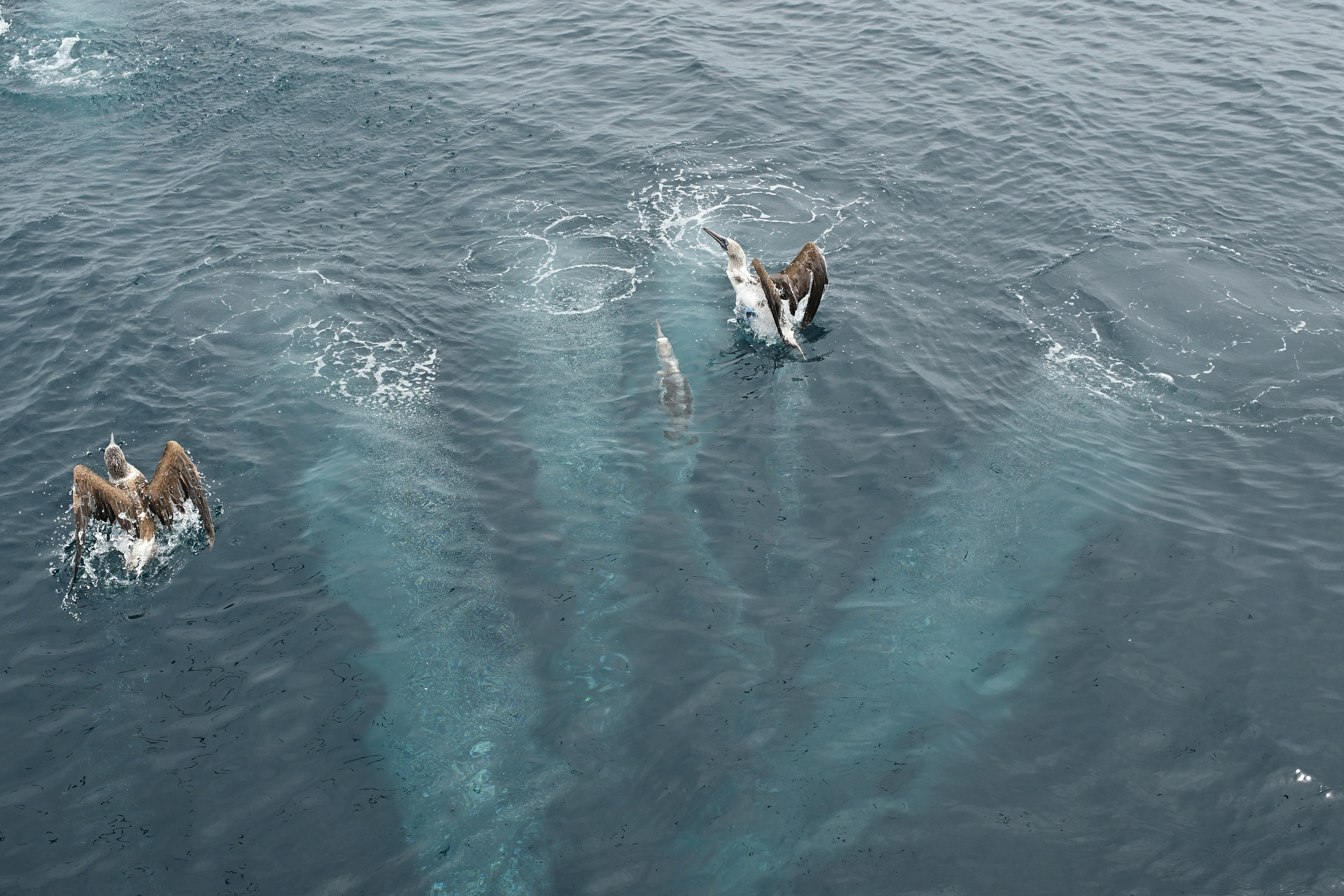
The iconic blue-footed booby, a Pacific species of gannet, is one of the hallmarks of the Galápagos. Most of the islands house several species of the famous Darwin finches. They are not the only species that have diversified on the island during evolution. For example, you’ll find 4 different species of mockingbirds. And how about that ivory black lava gull? In short, nature lovers and birdwatchers alike can rest assured when embarking on this adventure.
AN EXPERIENCED TEAM
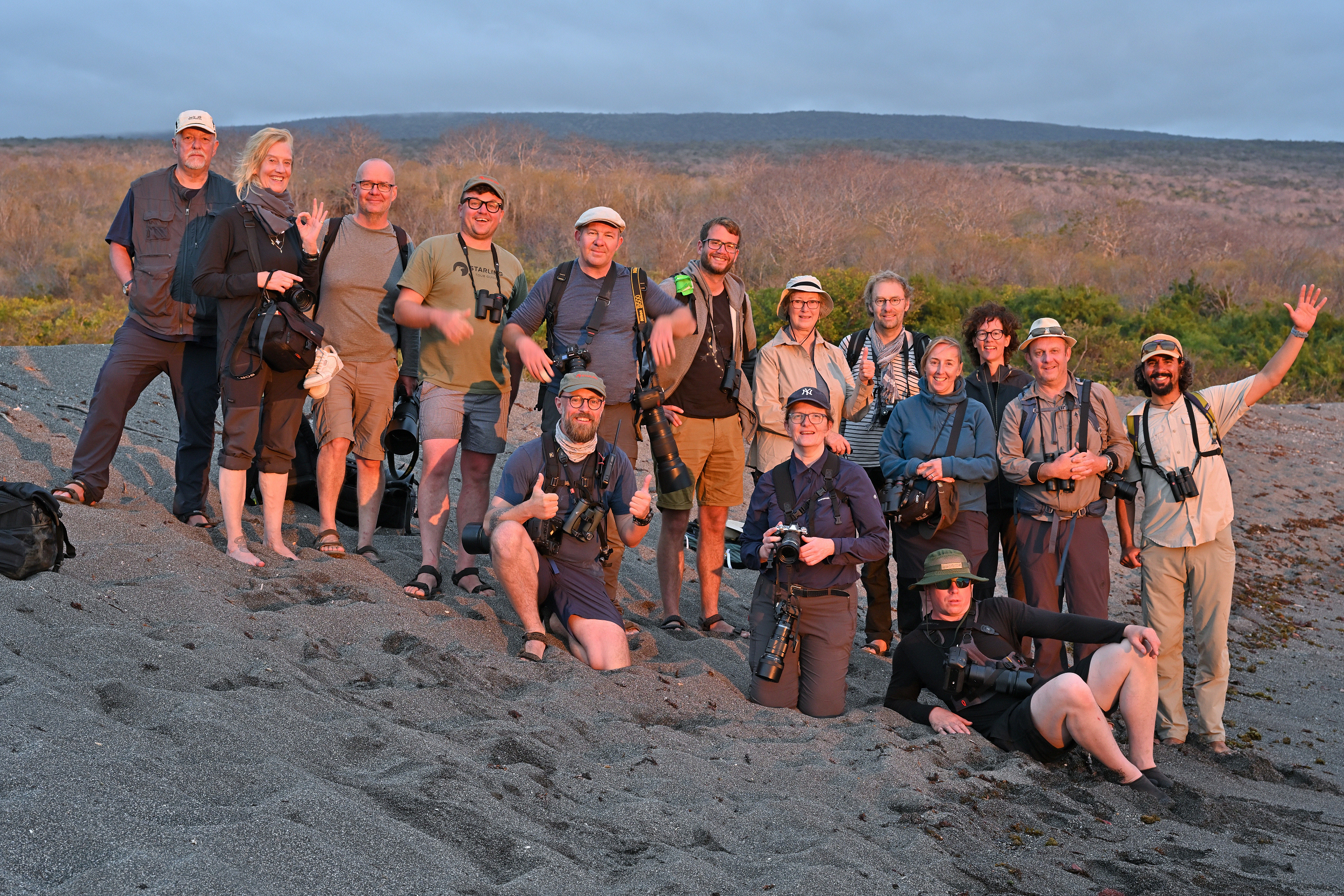
I will guide this trip, together with nature photographer Jeffrey Van Daele and a very experienced local crew. Expedition leader Juan Manuel Salcedo grew up in the Galápagos Islands. He developed a passion for wildlife while sailing on his father’s boat. Studying the archipelago for many years, he attained a degree in ecology, specializing in biology and geology. He is always up-to-date with the regulations for protection of the fragile ecosystem. His crew guarantees a correct attitude in this National Park, undoubtedly the best-conserved archipelago of the tropics.
LOOKING FOR AN EVEN GREATER ADVENTURE?
Curious about what the other islands have in store? Here’s your chance to find out! You can join us on two consecutive trips to the Galapagos Islands. If you register for both, you get a 750 euro discount. The ultimate adventure!
Discover the trip to Fernandina and Isabela.
NATURE AND PHOTOGRAPHY
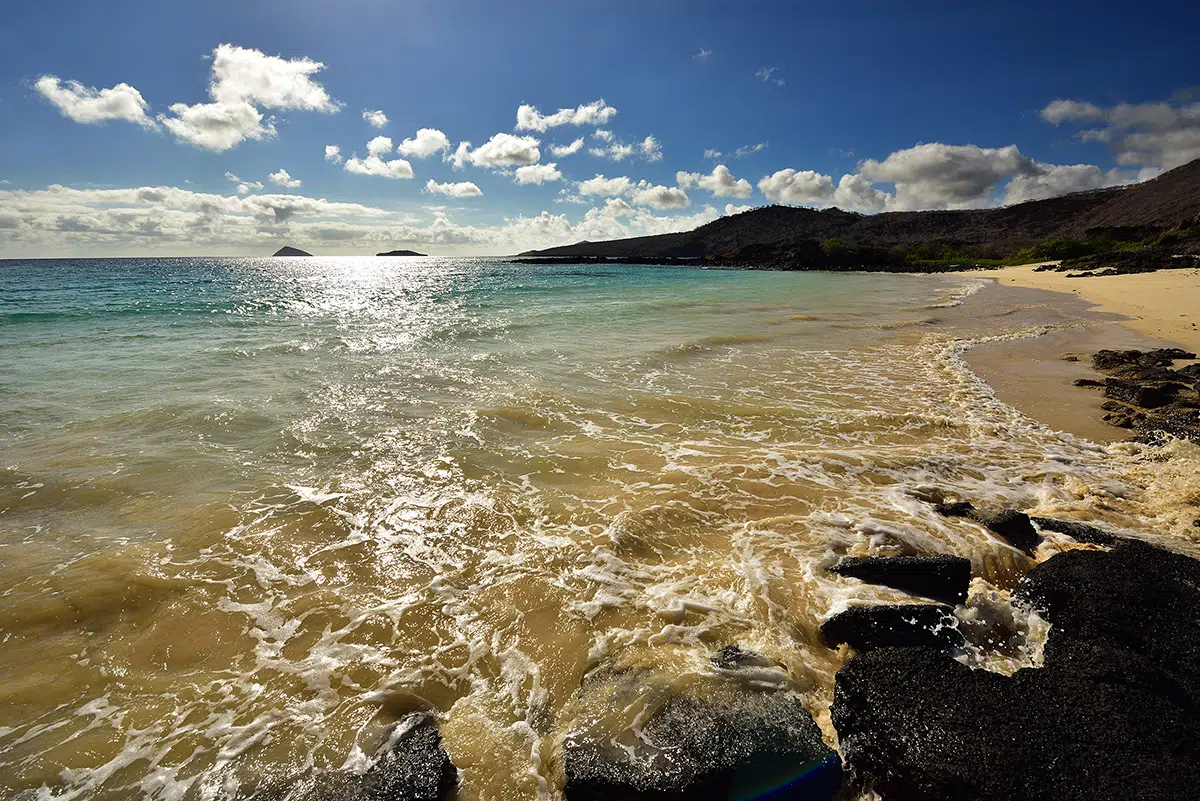
Photographers, nature lovers and bird watchers will all indulge themselves during this trip. We discover many endemic birds, explore the waters around the islands and photograph rare sea creatures. Each island is unique due to the volcanic landscapes. Our well-adjusted ship allows us to sail close to every island, assuring care-free photography. In short: this is the ultimate journey for anyone who wants to zoom in on the Galapagos under professional guidance.
ACCOMMODATION
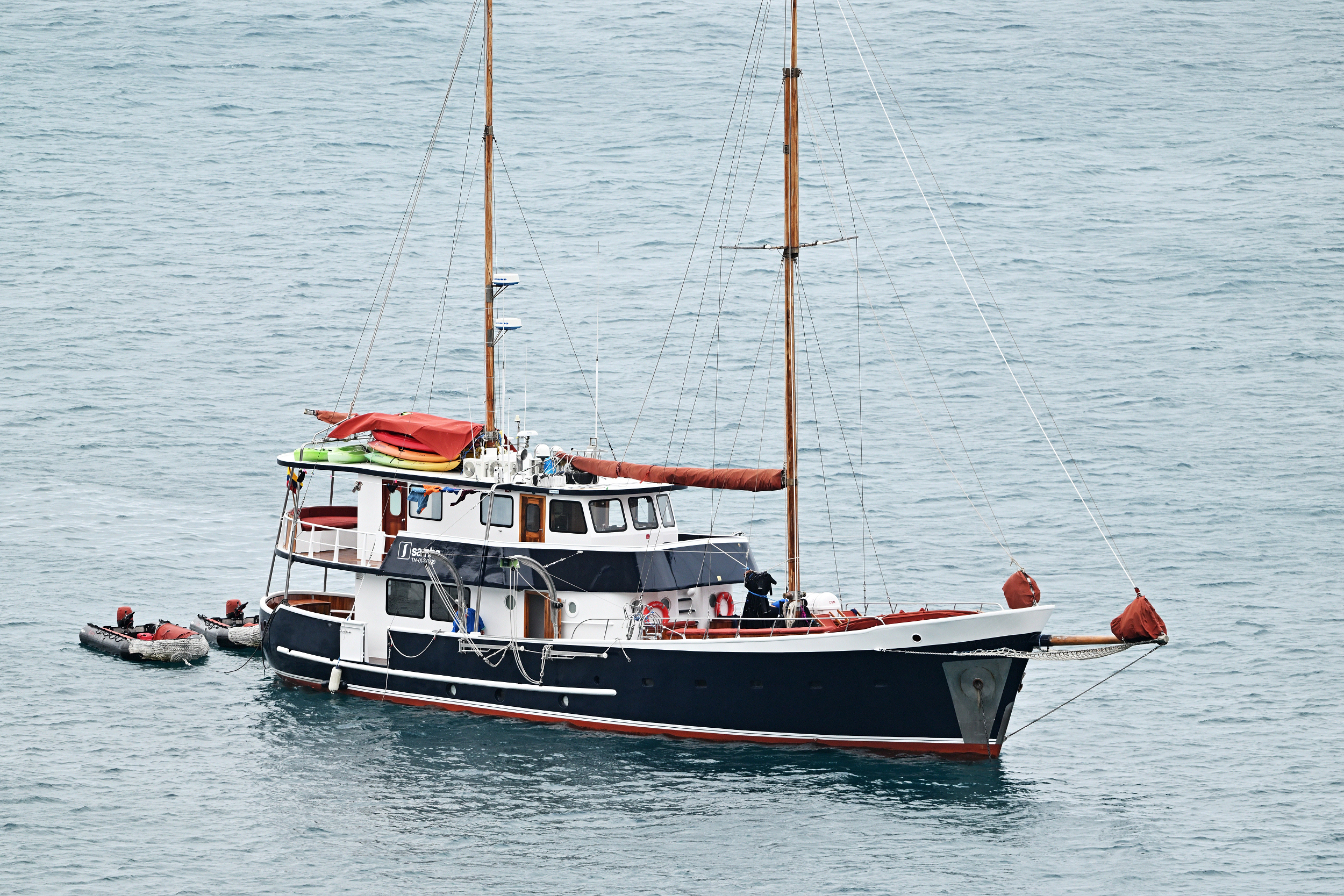
The Samba houses 14 guests. This is the perfect number to fully experience the magic of the Galápagos Islands, because privacy and room for manoeuver are guaranteed. The latter is essential for exhaustive nature photography. The boat crew is very professional and kind. And your guides? We will always go the extra mile to show you the beauty of nature and share our best photography tips and tricks. A trip of a lifetime!
We charter the boat, which gives us more freedom to sail where we want.
Extra overnight stays and excursions in Ecuador – Quito are possible. We can supply an overview of all the options and extensions on demand.
CLIMATE AND CLOTHING
The cold season lasts from May to September, with an average temperature of 20°C. December to April brings hot and dry weather, with an average temperature of about 32°C. We travel in December, so it will be mostly dry and warm. Still, no harm in bringing a sweater and a raincoat.
Our hikes are no more than several kilometres. Because of this, they are accessible to anyone with a normal physical condition. The volcanic terrain can be rough, so be sure to bring sturdy shoes.